

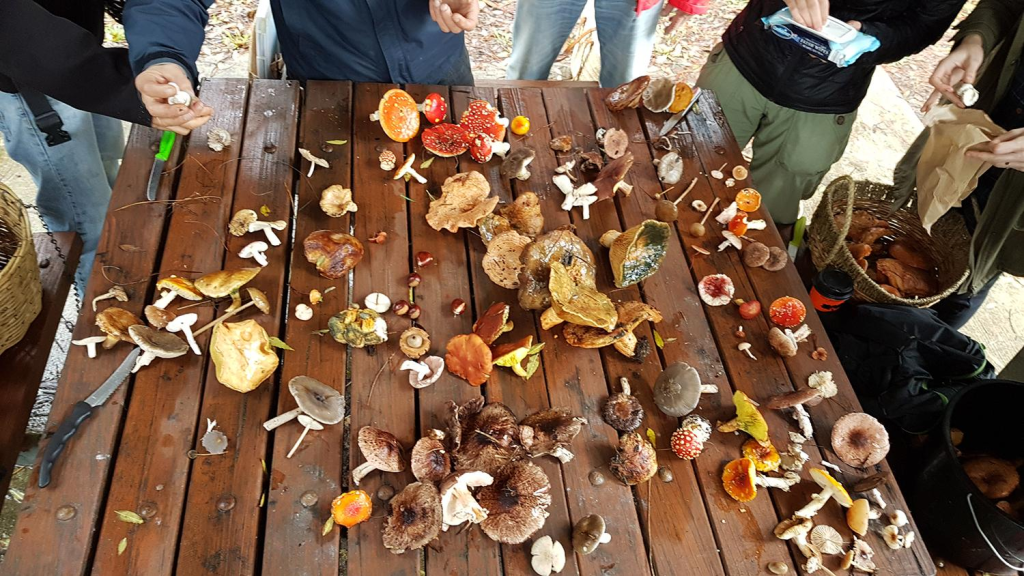
Wild mushrooms are appearing in places that once reserved them for specialists. Porcini risotto has moved beyond traditional Italian restaurants. Chanterelles turn up at farmers’ markets, dried morels sit beside everyday pantry ingredients, and home cooks share black trumpet pasta and mushroom barley bowls across online food communities.
This visibility reflects more than a passing enthusiasm for gourmet ingredients. It sits within a wider change in how many people think about food. Consumers are showing greater interest in recognisable whole foods, powerful natural flavours, seasonal ingredients and transparent supply chains. They want to know where food comes from, how it was produced and whether it contributes meaningfully to a balanced diet.
Wild edible mushrooms speak to each of these interests. They can bring intense aroma and savoury depth to meals without extensive processing. Their seasonal growth connects cooking to forests, weather and regional food traditions. Dried varieties also allow delicate harvests to be preserved and used throughout the year.
None of this means wild mushrooms are automatically healthy, safe or sustainable. Nutritional value varies by species, while irresponsible collection can create ecological and commercial concerns. Most importantly, some toxic mushrooms closely resemble edible ones, making expert identification essential.
The renewed interest in wild edible mushrooms is therefore most meaningful when viewed as part of a broader lifestyle shift: one that values flavour, variety, informed eating and a more thoughtful relationship with food.
The Return to Whole and Minimally Processed Foods
Convenience remains important in modern food culture, but many consumers are also looking beyond products built around long ingredient lists, intensive refinement and artificial flavour systems. Whole grains, beans, fermented foods, seasonal produce and traditional ingredients have all benefited from this renewed curiosity.
Wild mushrooms fit naturally into that movement. A dried porcini slice remains visibly recognisable as a mushroom. Fresh chanterelles need little more than cleaning and careful cooking. Black trumpets can be dried, stored and rehydrated without being transformed into an entirely different type of food.
Their appeal is also practical. Mushrooms can be used across numerous dietary patterns, including vegan, vegetarian, flexitarian and omnivorous eating. They complement vegetables and grains but can also enrich sauces, soups and stews served alongside other foods.
Dried mushrooms are particularly compatible with pantry-based cooking. Removing moisture extends their useful storage period and concentrates their flavour, allowing cooks to use relatively small quantities when building a sauce, broth or grain dish.
Still, “natural” should not be treated as a synonym for nutritious or safe. A wild ingredient can be misidentified, contaminated, poorly stored or harvested irresponsibly. Healthy eating depends on the quality of the overall dietary pattern, not on whether a product carries a rustic image or comes from a forest.
The real advantage of edible wild mushrooms is not that they are untouched by human involvement. It is that they can help people prepare varied, flavourful meals from relatively simple ingredients.
What Makes Wild Edible Mushrooms Different?
Cultivated mushrooms are produced under managed conditions using prepared growing materials and controlled environments. Familiar varieties such as white button, cremini, portobello and many oyster mushrooms can be cultivated efficiently and supplied throughout the year.
Wild mushrooms grow within naturally occurring ecosystems. Their availability depends on combinations of temperature, rainfall, soil, altitude, tree species and seasonal conditions. A productive area one year may yield much less the next.
Many well-known wild species form mycorrhizal relationships with living trees. Through this association, fungal networks connect with tree roots and exchange water and nutrients. Porcini, chanterelles and several other prized mushrooms are associated with these complex ecological relationships, which helps explain why large-scale cultivation remains difficult for some species. The Food and Agriculture Organization of the United Nations notes that many leading wild edible fungi live symbiotically with trees and have important links to forest environments.
Popular wild edible varieties include:
- Porcini, valued for a deep, nutty woodland aroma
- Chanterelles, recognised for their golden colour and delicate fruity notes
- Morels, known for their honeycomb-like caps and distinctive savoury flavour
- Black trumpets, which become highly aromatic when dried
- Hedgehog mushrooms, identified by tooth-like structures beneath their caps
These names describe edible species or recognised culinary groups, but they do not make wild mushroom identification simple. Appearance can change with age, weather and location, and unrelated species may look deceptively similar.
Natural variation is part of the appeal. Wild mushrooms are not expected to resemble identical factory-made pieces. Colour, size, aroma and texture can shift between regions and harvests. For cooks, this creates a sense of seasonality and place. For buyers, it makes accurate labelling and reliable sourcing especially important.
Why Flavour Is Driving the Trend
Nutrition may attract attention, but flavour is often what keeps mushrooms in the kitchen.
Wild varieties can offer far more intensity than the mild cultivated mushrooms many people first encounter. Porcini bring earthy, nut-like depth. Chanterelles are often delicate and aromatic. Morels develop a rich savouriness that works well in sauces, while black trumpets can season an entire dish with a relatively small amount.
Much of this appeal is connected to umami, the savoury taste associated with naturally occurring compounds in foods such as mushrooms, tomatoes, aged cheese and fermented products. Umami does not simply make food taste “meaty.” It adds fullness and length to flavour, which can make a broth, lentil stew or vegetable sauce seem more complete.
Texture matters too. Properly cooked mushrooms can range from silky to firm and pleasantly chewy. King boletes such as porcini retain structure after rehydration, while chanterelles offer a tender bite when fresh.
Drying changes the experience further. Fresh porcini have a gentler woodland quality and substantial texture. Dried porcini develop a more concentrated aroma suited to risotto, sauces and soup. The soaking liquid becomes a useful ingredient of its own once it has been strained to remove sediment.
This concentration helps explain why wild mushrooms appeal to plant-forward cooks. They can bring complexity to barley, beans, lentils, whole-grain pasta and roasted vegetables without requiring large amounts of salt, cream or heavily processed flavouring.
They do not need to imitate meat to be valuable. Their culinary strength lies in making simple foods taste deeper, warmer and more satisfying.
The Nutritional Value of Edible Mushrooms
Mushrooms occupy their own biological kingdom, but in everyday nutrition they are commonly used alongside vegetables. They are generally low in energy density and can contribute fibre, vitamins, minerals and other naturally occurring compounds to a varied diet.
Nutrient composition differs considerably between species. It is also influenced by growing conditions, maturity, processing, storage and portion size. Fresh and dried mushrooms cannot be compared gram for gram without considering that drying removes most of the water and concentrates the remaining material.
Food composition entries available through USDA FoodData Central show that commonly eaten mushrooms can provide riboflavin, niacin, pantothenic acid, copper, potassium, phosphorus and varying amounts of selenium. Exact values depend on the type of mushroom and how it has been prepared.
Mushrooms also contain dietary fibre, including structural components found in fungal cell walls. Among these are beta-glucans, a diverse group of polysaccharides also present in foods such as oats and barley, although their structures and concentrations differ between food sources.
Ergothioneine is another compound that has drawn research attention. It is a naturally occurring amino-acid derivative found in mushrooms and some other foods. Research continues to examine how the body transports and uses it, but this developing area should not be turned into promises about specific health outcomes.
The sensible interpretation is straightforward: edible mushrooms can contribute nutritional variety as part of a balanced pattern that also includes vegetables, fruit, legumes, whole grains, nuts, seeds and appropriate protein sources. They are not a cure, detoxification method or substitute for dietary balance.
Why Mushrooms Appeal to Plant-Forward Eaters
Mushrooms are especially useful in plant-forward cooking because they solve a practical problem: how to create depth and substance without building every meal around animal products or processed substitutes.
Sautéed mushrooms can add body to lentil bolognese. Chopped porcini can deepen a bean stew. Oyster mushrooms pair well with tofu and vegetables in a stir-fry, while cremini mushrooms can add moisture and flavour to grain-based patties.
These combinations work because mushrooms complement foods that provide more concentrated plant protein. Beans, lentils, peas, soy foods, nuts and seeds remain important components of vegetarian and vegan diets. The Academy of Nutrition and Dietetics identifies legumes, soy products, whole grains, nuts and seeds among useful plant-based protein sources.
Mushrooms contain some protein, but typical servings do not make them a direct nutritional replacement for meat, tofu, tempeh or legumes. Their greatest contribution is sensory: savoury flavour, appealing texture and the ability to make other whole foods more enjoyable.
A balanced plant-forward plate might combine mushrooms with:
- Lentils and roasted root vegetables
- Chickpeas and whole-grain couscous
- Tofu, greens and brown rice
- White beans and barley
- Whole-wheat pasta and walnuts
- Quinoa, herbs and seasonal vegetables
This approach avoids giving a single ingredient more responsibility than it can realistically carry. Mushrooms enhance a plant-forward dietary pattern; they do not complete it by themselves.
Why Porcini Mushrooms Have Become Especially Popular
Porcini have long been important in Italian and wider European cooking, but their appeal now extends well beyond those traditions.
Fresh porcini are admired for their firm flesh, rounded caps and deep forest aroma. Their season is limited, however, and fresh specimens are fragile. Drying offers a practical way to preserve a harvest while intensifying its flavour.
When dried porcini are covered with warm water, they gradually soften and release a dark, fragrant liquid. The rehydrated pieces can be chopped into risotto, sauces, soups, pasta fillings or grain dishes. The strained soaking liquid can replace part of a recipe’s stock, extending the mushroom flavour throughout the dish.
Quality becomes obvious during this process. Good dried porcini release a clean, earthy aroma and soften without dissolving into sludge. Poorly stored mushrooms may smell dusty, weak or unpleasantly musty. Excessive grit, moisture inside the package or active insect contamination are clear reasons not to use a product.
Porcini also represent the questions surrounding wild-food commerce. Because they are generally gathered from forests, buyers benefit from information about species, harvest region, processing, drying and traceability.
Readers interested in understanding porcini varieties, drying methods, culinary uses and sourcing considerations can consult this guide to dried porcini mushrooms.
Their continued popularity is not simply a matter of prestige. Porcini offer an unusually efficient way to bring concentrated natural flavour into everyday cooking.
The Connection Between Wild Foods and Sustainable Living
Wild foods appeal to many environmentally conscious consumers because they create a visible connection between meals and ecosystems. A porcini mushroom is not merely produced on land; it develops within a network involving trees, soil, moisture, climate and fungal life.
That connection can encourage respect for seasonality and biodiversity. It may also support regional food traditions and livelihoods based on non-wood forest products. FAO reports that wild edible fungi are collected for food and income in more than 80 countries, illustrating their cultural and economic significance beyond luxury dining. (Open Knowledge FAO)
However, wild does not automatically mean sustainable.
The ecological effects of collecting mushrooms depend on the species, habitat, scale of harvesting, collection methods, forest management and local regulations. Commercial pressure may create different concerns from occasional household gathering. Protected areas may prohibit collection altogether.
The Food and Agriculture Organization of the United Nations (FAOHome) describes sustainable wild-fungi management as a balancing act involving harvesting impacts, access for collectors, forest users and long-term resource protection.
Drying can support more efficient use of seasonal harvests by extending storage life and reducing the chance that highly perishable mushrooms spoil before consumption. At home, cooks can rehydrate only what they need and use the strained soaking liquid, reducing waste further.
Still, sustainability claims should be specific. Phrases such as “forest-friendly” or “ethically harvested” have little value without information about region, collectors, management practices or traceability.
Thoughtful consumption begins with curiosity rather than assumptions.
Why Responsible Harvesting Matters
Many wild mushrooms are the visible fruiting bodies of much larger fungal organisms living in soil, wood or association with plant roots. The ecological system is therefore more complex than the mushroom that appears above ground.
Responsible collection practices vary by region and species, but several principles are widely relevant:
- Follow local harvesting laws and permit requirements.
- Respect protected forests and conservation areas.
- Avoid unnecessary disturbance to soil, trees and surrounding vegetation.
- Collect only mushrooms that can be identified confidently.
- Use suitable containers that prevent crushing and spoilage.
- Keep different species separate during collection and transport.
- Process perishable mushrooms promptly and hygienically.
Commercial responsibility continues after harvest. Mushrooms must be sorted, identified, cleaned, transported, processed and stored under appropriate conditions. Businesses should know who supplied each batch and where it moved through the supply chain.
The European Commission Food Safety framework places traceability within general EU food law, requiring food businesses to identify where products came from and where they were supplied. This supports investigation, withdrawal and recall when safety problems arise. (Food Safety)
For consumers, traceability may appear through batch codes, origin statements, clear seller information and complete packaging labels. These details are less romantic than images of forests, but they are far more useful when assessing commercial responsibility.
The Important Safety Conversation Around Wild Mushrooms
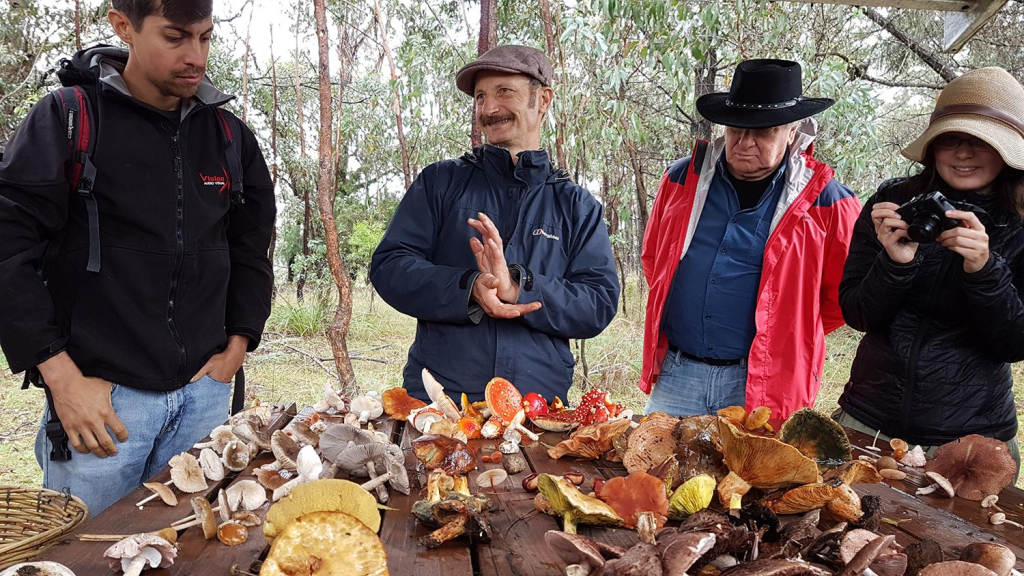
Interest in foraging has grown alongside enthusiasm for seasonal and local food. That curiosity can be rewarding, but wild mushroom identification requires more than comparing a specimen with an online photograph.
Some toxic mushrooms resemble edible species. Colour and shape may change as mushrooms age, dry out or grow in unusual conditions. Mobile applications can assist with learning, but they should not be treated as final safety authorities.
Beginners should never eat a self-collected mushroom unless its identity has been confirmed by a qualified local expert who can inspect the actual specimen. Advice should come from recognised mycological organisations, public-health authorities or experienced identifiers familiar with the region.
Safe practice also means:
- Never relying on folklore tests
- Keeping unknown species separate from edible collections
- Avoiding old, decomposing or contaminated specimens
- Following local advice on preparation
- Supervising children and pets around collected mushrooms
- Keeping a sample for identification when advised by local authorities
Commercially packaged wild mushrooms reduce some identification uncertainty, but buyers should still look for intact packaging, seller details, origin information, batch identification and appropriate storage instructions.
Food businesses have responsibilities under applicable hygiene and safety rules, yet consumers should not ignore obvious warning signs such as mould, condensation, active infestation or sour odours.
The safest approach is neither fear nor overconfidence. It is informed caution.
How Wild Mushrooms Fit Into Everyday Healthy Meals
Wild mushrooms can seem like special-occasion ingredients, but many work best when used to improve familiar foods.
Dried porcini can enrich a lentil stew or tomato sauce. Chanterelles can be sautéed and folded into warm grain salads. Morels can flavour a vegetable sauce, while black trumpet powder can add depth to beans or soup.
Practical combinations include:
- Porcini and barley soup with carrots and herbs
- Whole-grain pasta with mushrooms, spinach and walnuts
- Lentil stew finished with rehydrated wild mushrooms
- Brown-rice bowls with tofu, greens and oyster mushrooms
- White beans in a mushroom and tomato sauce
- Roasted vegetables with a light mushroom gravy
- Risotto with peas, herbs and porcini
- Stir-fried vegetables with mushrooms and sesame
- Chickpea patties with finely chopped mushrooms
- Polenta topped with mushrooms and leafy greens
Healthy eating does not require every meal to maximise the number of nutrients on a checklist. Satisfaction, enjoyment and practicality matter because they influence whether people continue cooking and eating a varied diet.
Mushrooms help by creating flavour bridges. They connect grains with vegetables, make legumes feel more substantial and allow small amounts of herbs, olive oil, nuts or seeds to carry greater sensory impact.
Fresh, Dried or Powdered: Which Format Works Best?
The best form depends on the dish rather than a simple ranking of quality.
| Format | Best qualities | Limitations | Best uses |
| Fresh | Distinct texture and seasonal character | Short shelf life | Sautéing, roasting and grilling |
| Dried | Concentrated flavour and convenient storage | Requires rehydration | Risotto, soup, pasta and sauces |
| Powdered | Disperses quickly as a seasoning | Provides no mushroom texture | Stocks, sauces and savoury blends |
Fresh mushrooms are preferable when their shape and bite are central to the meal. They should appear firm, clean and free from advanced deterioration.
Dried mushrooms are useful when concentrated aroma matters. They should feel dry, smell clean and remain protected from moisture. Once soaked, the liquid should be strained before use because wild mushrooms may contain fine sediment.
Powder works as a seasoning but should be labelled clearly. Buyers should check whether it contains one mushroom species, a mixture or added ingredients.
None of the formats is universally superior. A cook might choose fresh chanterelles for toast, dried porcini for risotto and mushroom powder for a vegetable broth.
What Consumers Should Look for When Buying Wild Mushrooms
Wild mushrooms require more scrutiny than an attractive product photograph.
For fresh mushrooms, examine firmness, freshness and cleanliness. Avoid specimens that are slimy, decomposing or strongly unpleasant in smell.
For dried products, look for:
- Clear mushroom or species information
- Country or region of origin where provided
- Harvest, processing or packing information
- A sealed and undamaged package
- Dry, separate pieces rather than damp clumps
- A natural mushroom aroma
- Reasonable cleanliness
- A batch or lot code
- Best-before and storage guidance
- The seller’s identity and contact details
- Specific, credible sourcing information
Some natural variation in colour and size is expected. A few broken pieces are also normal. However, a package sold as slices should not consist mainly of powder unless this is disclosed.
Avoid dried mushrooms showing:
- Condensation
- Mould
- Active insects or webbing
- Excessive soil or forest debris
- Sticky or flexible pieces caused by moisture
- Sour, chemical or heavily burnt odours
- Unclear ingredients
- Damaged seals
The European Food Information Council explains that food packaging can communicate details such as ingredients, storage conditions, origin and durability, depending on the product and relevant regulations. Reading the full label is more informative than relying on front-of-pack claims alone.
Responsible sellers should provide enough information for buyers to understand what the product is and how it should be handled. They do not need to promise perfection, but they should not hide behind vague descriptions.
A Food Trend Rooted in Older Traditions
Wild mushrooms may look like a modern food trend when they appear in social-media recipes or fashionable restaurants, but their culinary use is rooted in much older regional traditions.
Across parts of Europe, seasonal mushroom gathering has long been connected to local knowledge, family customs and regional markets. Drying provided a way to preserve mushrooms after short harvest periods, creating ingredients that could flavour meals through colder months.
This knowledge was practical rather than decorative. It covered where mushrooms appeared, which habitats supported particular species, how to distinguish edible varieties and how to preserve them safely.
Modern interest differs in important ways. Many consumers now encounter wild mushrooms through restaurant menus, speciality retailers, cooking videos and international recipes rather than through knowledge passed down within a foraging community.
That wider access can introduce people to valuable food traditions, but it can also separate ingredients from the expertise that made their use safe and sustainable. A photograph of a basket in a forest communicates abundance; it does not explain identification skills, land access, harvest limits or supply-chain controls.
The healthiest version of the current trend combines curiosity with respect. It welcomes flavour and culinary discovery while recognising that traditional ingredients come with ecological and cultural contexts.
Frequently Asked Questions
Are wild edible mushrooms healthy?
Edible wild mushrooms can contribute fibre, B vitamins, minerals and natural flavour to a varied diet. Their nutrient composition differs by species and preparation, so they should be viewed as one part of balanced eating rather than a special remedy.
Are wild mushrooms better than cultivated mushrooms?
Not necessarily. Wild and cultivated mushrooms offer different flavours, textures, availability and costs. Cultivated mushrooms provide consistency and accessibility, while wild varieties may offer distinctive seasonal characteristics.
Why are porcini mushrooms often dried?
Fresh porcini are seasonal and highly perishable. Drying extends storage life and concentrates their savoury aroma, making them suitable for sauces, soup, risotto and pasta throughout the year.
Are mushrooms a good source of protein?
Mushrooms contain some protein but are not usually a concentrated protein food. In plant-forward meals, they work best alongside beans, lentils, tofu, tempeh, nuts, seeds or whole grains.
Can wild mushrooms be eaten every day?
Commercially sourced edible mushrooms can be included regularly as part of a varied diet, provided they are appropriate for the individual and prepared according to guidance. Dietary variety remains more important than relying on one mushroom species every day.
Are dried mushrooms as nutritious as fresh mushrooms?
Drying removes water and concentrates many remaining components, although processing and storage may affect particular nutrients. Fresh and dried mushrooms also differ in portion size, flavour and culinary use.
How should dried wild mushrooms be stored?
Keep them in a tightly sealed container in a cool, dry, dark place. Protect them from humidity, heat and pantry pests, and follow the producer’s best-before and storage instructions.
Are wild mushrooms environmentally sustainable?
They can be part of responsibly managed forest-food systems, but wild harvesting is not automatically sustainable. Its impact depends on species, habitat, collection pressure, local regulation, harvesting practices and traceability.
Can beginners safely forage for edible mushrooms?
Beginners can learn about fungi, but they should not eat self-collected mushrooms unless a qualified local expert confirms the identification. Photographs and applications are not sufficient for making a safe final decision.
Why are some wild mushrooms expensive?
Seasonality, limited availability, specialist identification, hand collection, perishability, cleaning, drying and grading can all affect cost. Price also varies according to species, origin, quality and market demand.
Conclusion
The growing visibility of wild edible mushrooms reveals more than an appetite for unusual ingredients. It reflects a wider interest in whole foods, natural flavour, seasonal cooking, transparent sourcing and the ecological stories behind what people eat.
Wild mushrooms can make simple meals more rewarding. They bring depth to grains and legumes, variety to plant-forward cooking and a sense of season that standardised ingredients cannot always provide. Drying extends that usefulness, turning short-lived harvests into practical pantry foods.
Their appeal also requires perspective. Mushrooms are not miracle foods, and wild collection is not inherently sustainable. Nutritional quality depends on the wider diet, environmental responsibility depends on local conditions, and safe foraging depends on genuine expertise.
For many people, that complexity is part of the attraction. Wild edible mushrooms invite closer attention—to flavour, place, tradition, safety and the networks that connect forests with kitchens.
The trend is therefore less about discovering a new superfood than rediscovering an older idea: food can be nourishing, enjoyable and meaningful when people understand where it comes from and treat it with care.
