

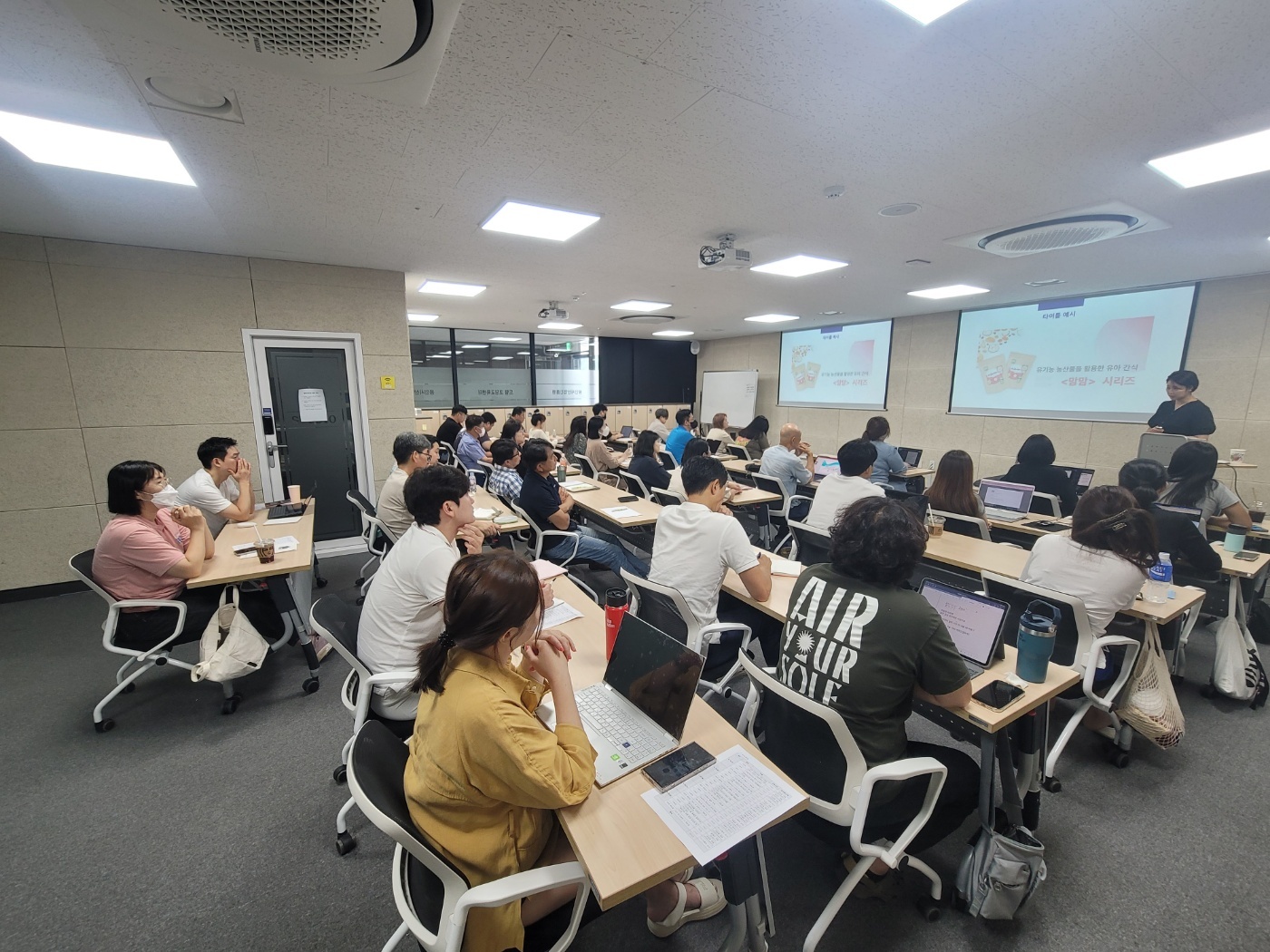
The question sounds simple: should phones be in classrooms at all? The answer, it turns out, is measurable. A new study following more than 16,000 students has found that classroom smartphone bans significantly improve academic performance, with the clearest gains recorded among pupils who had previously been struggling. The research adds substantial weight to a policy that many schools adopted on instinct, and it contains a second finding that may matter just as much for head teachers: students who had lived under a ban for a sustained period became noticeably more supportive of it afterwards, even if they had opposed it at the start.
The scale of the work is what sets it apart from the small, single-school trials that have dominated this debate until now. By tracking attainment before and after bans were introduced across a large and varied student population, the researchers were able to compare like with like and to separate the effect of the ban itself from the background noise of different teachers, subjects and school years. Readers who follow education research through outlets such as Nature will recognise how rare a sample of this size is in classroom studies, and it is precisely that scale which makes the headline result difficult to dismiss.
What the researchers actually measured
Rather than relying on student surveys about how focused they felt, the team anchored its conclusions in outcomes: test scores, course grades and progression through assessed work. Performance rose after bans took effect, and the improvement was not confined to one subject or one type of school. The pattern held across the cohort, which suggests the mechanism is broad rather than narrow. Removing phones appears to change the whole texture of a lesson: fewer interruptions, longer stretches of sustained reading and writing, and less of the low-level social negotiation that normally runs in parallel with teaching through messaging apps and social feeds.
That interpretation fits with what cognitive scientists have long argued about attention. A phone does not need to be in a student’s hand to cost them concentration; its mere presence on a desk, face down and silent, still invites periodic checking and mental rehearsal of whatever might be happening online. Multiply that small tax by thirty students and six lessons a day, and the cumulative loss becomes large enough to show up in grades. Our own recent reporting on how research reshapes everyday assumptions, including our recent science coverage, has returned repeatedly to the same theme: small environmental changes, applied consistently, tend to beat grand one-off interventions.
Why struggling students gained the most
The most striking part of the study is the distribution of the benefits. Students who were already performing well improved modestly, but the largest gains clustered among those who had been finding school hardest. Researchers offer a plausible explanation. High-attaining pupils often develop their own strategies for managing distraction, and many have quieter home environments in which to recover lost ground. Pupils who are behind, by contrast, have the least margin for wasted lesson time, so every reclaimed minute of attention is worth more to them. A ban, in effect, levels the attentional playing field inside the classroom.
There is an equity argument here that goes beyond test scores. If phones in class widen the gap between confident and struggling learners, then a universal, clearly enforced ban is one of the cheaper equality measures a school can adopt. It requires no new building, no extra staffing and no expensive software licence. It does, however, require consistency. The study’s schools generally applied the rule to the whole day rather than leaving it to individual teachers, and researchers note that patchy enforcement blurs both the benefits and students’ sense that the rule is fair. Related findings in yesterday’s medical study report point the same way: interventions work best when they are simple, universal and predictable.
The attitude shift nobody predicted
Perhaps the most politically useful finding for school leaders is the change in student opinion. Pupils surveyed before bans began were often hostile or sceptical. After months of learning under the new rules, support rose substantially, including among older students who had expected to resent the policy most. Familiarity, it seems, defused the argument. Break times became more social in the offline sense, lunchtime conversations replaced lunchtime scrolling for many, and the feared sense of disconnection faded faster than students had forecast.
None of this settles every question. Researchers are careful to note that phones also serve legitimate purposes: coordinating lifts home, supporting some accessibility needs, and allowing older students to organise study and part-time work. The schools in the study handled those needs with practical exceptions rather than abandoning the policy. The emerging consensus is not that technology has no place in education, but that unrestricted personal devices during lessons carry a measurable cost, and that cost falls hardest on the students least able to afford it. For policymakers weighing guidance this term, a 16,000-student evidence base is a considerably firmer place to stand than anecdote, and the students themselves, having tried both worlds, appear increasingly willing to say so.
