

Behind every weekly percentage rise sits a chain of missed jabs, travel and crowded indoor mixing. Reported measles cases in the United States rose by 8 percent in a single week, bringing the national total to 4,410. The increase continues a year marked by repeated local outbreaks, and while the headline figure deserves attention, health officials stress that the situation is best understood through its causes: where immunity has thinned, where the virus has been imported, and how quickly contacts are being reached. Measured against the size of the US population, the risk to a fully vaccinated person remains low, which is precisely why the official message is one of vigilance rather than alarm.
Measles spreads through the air and can linger in a room for up to two hours after an infectious person has left, making it one of the most contagious viruses known. That efficiency means it finds gaps in immunity quickly. The Centers for Disease Control and Prevention notes that around nine in ten unvaccinated people exposed to the virus will become infected. When vaccination coverage slips even a few points below the roughly 95 percent level needed for community protection, outbreaks stop being a question of if and become a question of when and where.
What is driving the rise
Several drivers are combining. Coverage with the measles, mumps and rubella (MMR) vaccine has drifted downward in a number of communities, a trend that began with pandemic-era disruption to routine childhood appointments and has been sustained in places by hesitancy and misinformation. International travel adds a second route: measles remains common in many parts of the world, and an unvaccinated traveller can carry it home to a neighbourhood where coverage is already thin. A third factor is simple arithmetic. Each outbreak generates secondary cases among unvaccinated contacts, so a year that starts with scattered clusters can compound into a steadily rising national count, as readers of our recent health coverage will recognise from other recent infectious disease reporting.
It is worth keeping the figures in proportion. The overwhelming majority of cases occur in people who are unvaccinated or whose vaccination status is unknown, and severe complications remain uncommon in healthy, immunised populations. The concern is concentrated: infants too young for their first dose, people with weakened immune systems who cannot be vaccinated, and communities where coverage has fallen furthest. Protecting those groups is the practical reason officials return, week after week, to the same unglamorous advice about checking records and closing immunity gaps.
Symptoms to recognise early
Measles usually begins like a heavy cold: high fever, cough, runny nose and red, watery eyes. Tiny white spots can appear inside the mouth two or three days in, and the characteristic blotchy red rash typically follows, starting at the hairline and spreading downwards across the body. People are infectious from about four days before the rash appears until four days afterwards, which is why cases can spread before anyone knows measles is the cause. Anyone who suspects measles should phone ahead before visiting a clinic or emergency department, so staff can reduce exposure to other patients, and should isolate at home while awaiting advice.
Most people recover fully, but measles is not a trivial illness. Roughly one in five unvaccinated people who catch it in the US is hospitalised, and complications can include ear infections, pneumonia and, rarely, inflammation of the brain. That balance — usually recoverable, occasionally serious, and highly preventable — is what shapes the measured tone of current guidance. Our coverage of other vaccine-preventable conditions, including our earlier science feature, has made the same point: the burden of a disease and the burden of preventing it are rarely comparable.
The vaccination guidance, plainly stated
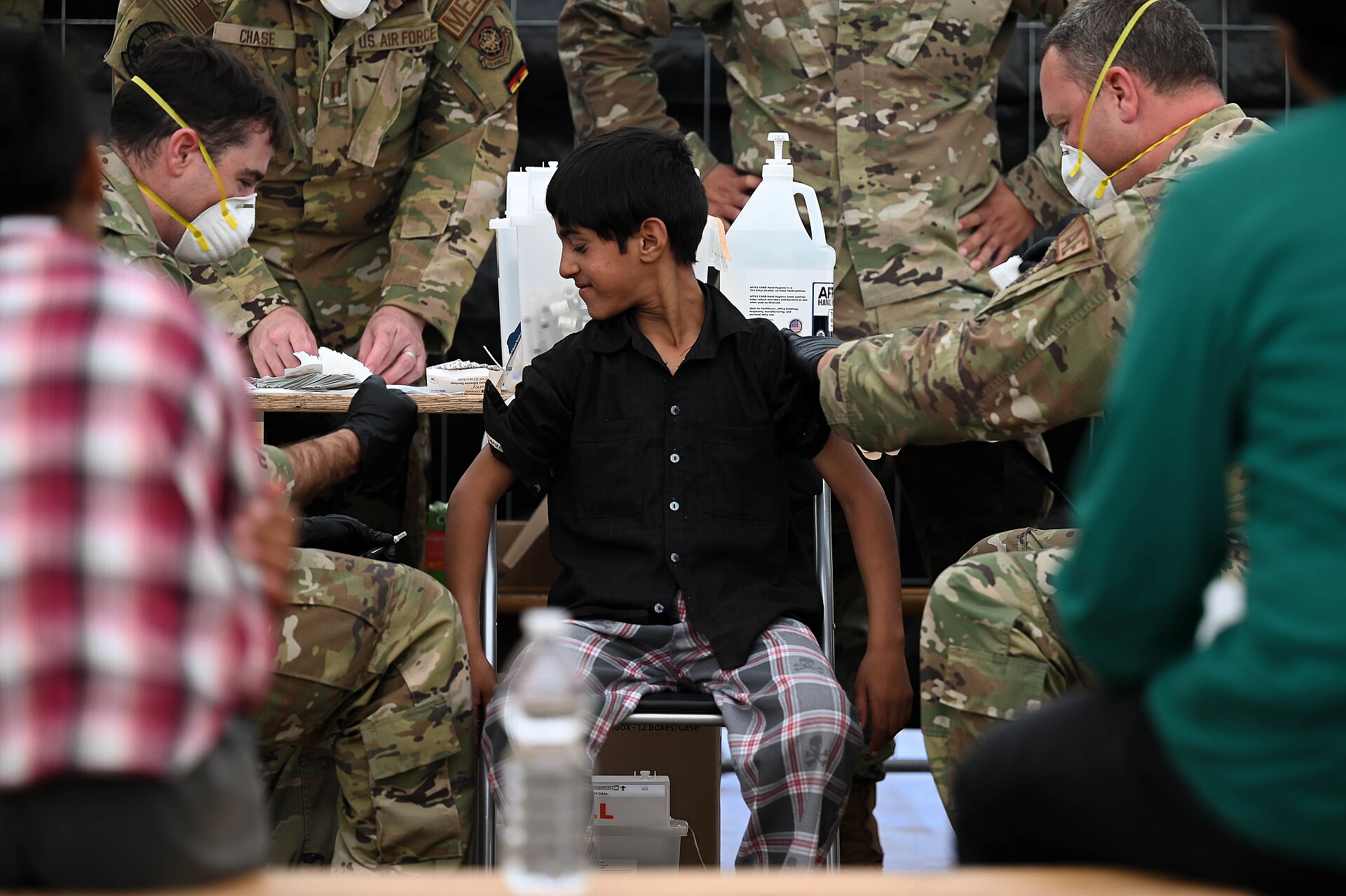
The MMR vaccine is given in two doses, the first at 12 to 15 months of age and the second at four to six years, and two doses are about 97 percent effective against measles. Adults who are unsure of their status — particularly those born after routine programmes began, healthcare workers, students and anyone planning international travel — are advised to check their records and speak to a clinician or pharmacist about catching up. There is no downside to confirming immunity, and in outbreak areas officials may recommend an early dose for infants aged six to eleven months, which does not replace the routine schedule.
An 8 percent weekly rise is a signal, not a catastrophe. It tells public health teams where to send mobile clinics, which schools and nurseries need record checks, and which communities need clearer information in place of rumour. For individuals, the response is simpler still: know your vaccination status, recognise the early symptoms, and act quickly if you suspect exposure. Measles was eliminated as an endemic disease in the United States in 2000, not because the virus disappeared from the world, but because immunity was kept high. The latest total of 4,410 cases is a reminder of how much quiet work that achievement requires, and how recoverable it remains if coverage is restored.
