

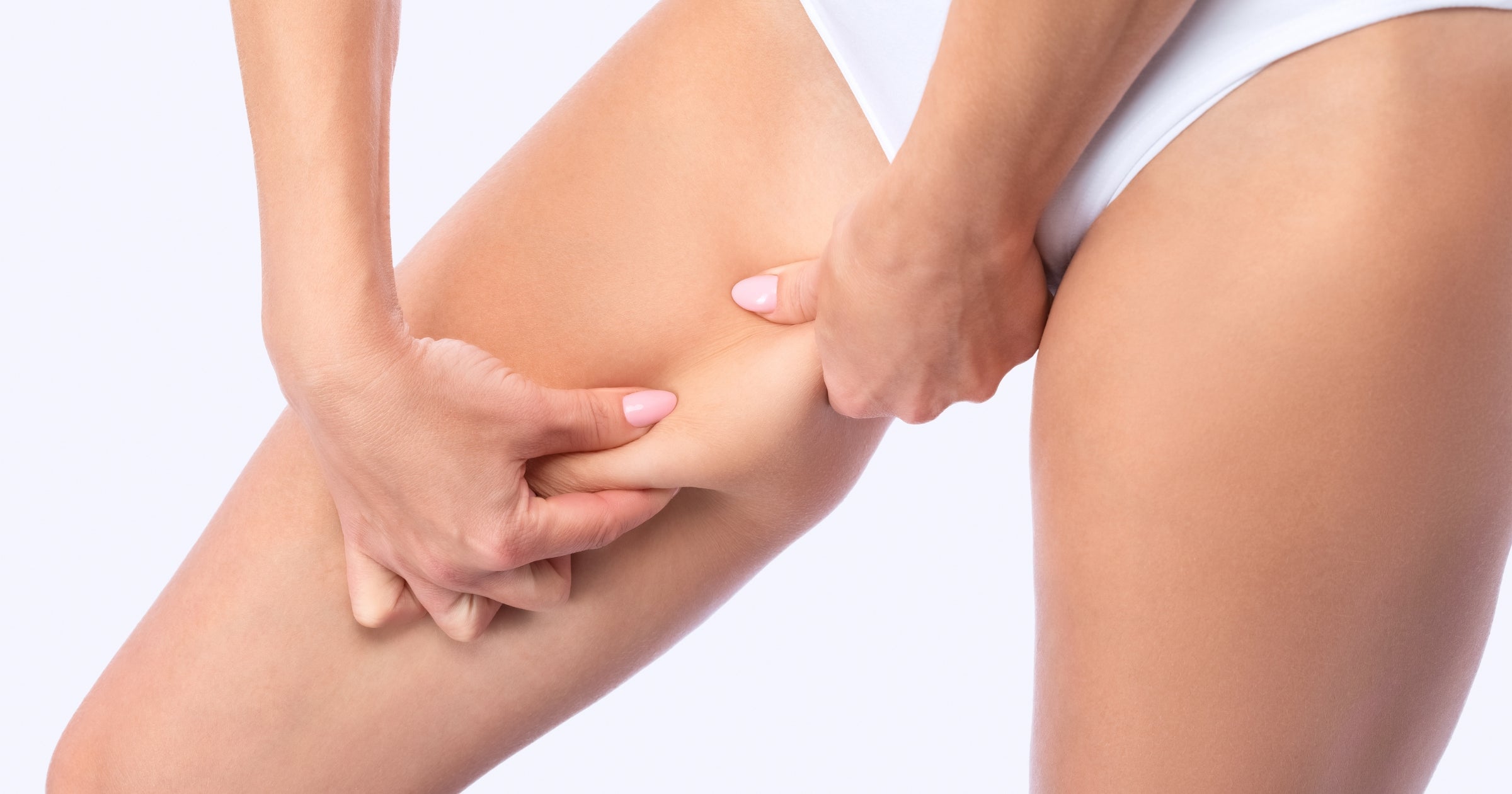
Inner thigh discoloration is a common concern that can affect people with different skin types and lifestyles. The area may gradually become darker than the surrounding skin, particularly in places where there is repeated friction, sweating, shaving, or irritation.
While inner thigh pigmentation is often treated as a cosmetic concern, understanding why it develops is important. Different causes may require different approaches, and using overly aggressive products can sometimes make irritation worse.
A simple, consistent body-care routine can help support healthier-looking skin while addressing some of the factors that contribute to uneven tone.
What Causes Inner Thigh Discoloration?
There is no single cause of darker inner thighs.
One of the most common factors is friction. The thighs naturally rub against each other during walking, exercise, and other movements. Repeated friction can irritate the skin and potentially contribute to post-inflammatory hyperpigmentation.
Other possible factors include:
- Excessive sweating
- Tight clothing
- Frequent shaving
- Waxing irritation
- Skin inflammation
- Certain skincare products
- Hormonal changes
- Existing skin conditions
Identifying the potential trigger is an important first step before choosing a treatment.
Understanding Post-Inflammatory Pigmentation
Post-inflammatory hyperpigmentation can develop after the skin experiences inflammation or injury.
For example, if repeated friction causes redness and irritation on the inner thighs, the skin may produce additional melanin as part of its response.
Once the original irritation has resolved, the area can remain darker for some time.
This is why reducing ongoing irritation can be just as important as treating the appearance of existing pigmentation.
Friction Is a Major Consideration
Everyday movement can expose the inner thighs to repeated friction.
Walking long distances, exercising, running, and cycling can all increase rubbing.
Hot and humid conditions may make the problem more noticeable because sweat can increase moisture and contribute to discomfort.
People who experience frequent chafing may benefit from evaluating their clothing, exercise habits, and personal-care routine.
Reducing friction can help create a better environment for the skin.
Choose Comfortable Clothing
Clothing can influence the amount of friction experienced by the inner thighs.
Tight garments may increase rubbing, particularly during movement. Rough fabrics can also irritate sensitive skin.
Choosing breathable, comfortable clothing may help reduce unnecessary friction.
For physical activity, moisture-wicking materials can be useful because they help manage sweat and keep the skin more comfortable.
These changes may seem simple, but reducing repeated irritation can be an important part of managing pigmentation.
Be Careful With Hair Removal
Shaving and waxing can sometimes contribute to inner-thigh irritation.
Using a dull razor, applying too much pressure, or repeatedly shaving the same area can cause sensitivity.
Waxing can also cause temporary inflammation in some people.
If you notice that discoloration becomes more prominent after hair removal, consider whether the technique or method is contributing to the problem.
Allowing irritated skin to recover before repeating hair removal can also help.
Avoid Aggressive Scrubbing
One common mistake is trying to scrub darker skin until it becomes lighter.
However, excessive physical exfoliation can damage the skin barrier and cause additional irritation.
This may create a cycle in which irritation contributes to further pigmentation.
Instead, use gentle cleansing and avoid abrasive tools or harsh scrubs.
If you choose an exfoliating product, follow the manufacturer’s directions and avoid using multiple strong exfoliants simultaneously unless advised by a professional.
Consider a Targeted Product
After addressing obvious sources of irritation, some people may choose to introduce a targeted body-care product.
A dark inner thighs removal cream can be considered as part of a pigmentation-focused routine.
When choosing a product, look at its ingredients, intended use, and application instructions.
It is also useful to introduce new products gradually, particularly if your skin is sensitive.
A targeted product should complement basic skin care rather than replace it.
What Ingredients May Be Used?
Different products designed for uneven skin tone may use different active ingredients.
Some common ingredients include niacinamide, alpha hydroxy acids, vitamin C, and other compounds used in pigmentation-focused skincare.
The suitability of an ingredient depends on the formulation, concentration, skin type, and individual tolerance.
Using multiple active ingredients at once is not necessarily better.
A simple routine makes it easier to understand how the skin is responding and reduces the chance of unnecessary irritation.
Keep the Skin Moisturized
Moisturizing is often overlooked when people are focused on pigmentation.
However, maintaining a healthy skin barrier is an important part of body care.
Dry or irritated skin may be more vulnerable to further discomfort.
A suitable moisturizer can help support skin comfort, particularly after bathing or hair removal.
Choose a product that works well with your skin and does not consistently cause irritation.
Give Your Routine Time
Pigmentation generally develops over time, so improvement can also take time.
Using a new product for a few days and immediately deciding that it does not work can lead to unnecessary product switching.
Likewise, applying a treatment more frequently than recommended can increase irritation.
A consistent routine with realistic expectations is generally a better approach.
If you are tracking progress, take photographs under similar lighting conditions every few weeks rather than comparing your skin from one day to the next.
Prevention Is Just as Important
Addressing existing discoloration is only part of the process.
If the same irritation continues to occur, new pigmentation may develop.
For example, someone who experiences frequent chafing during exercise may need to address the friction itself.
Similarly, someone who develops irritation after shaving may need to adjust their hair-removal technique.
Identifying the trigger can make long-term management more effective.
When to Seek Professional Advice
Not every case of inner-thigh discoloration is caused by friction.
If the skin becomes significantly thicker, develops persistent itching, becomes painful, changes rapidly, or develops other unusual characteristics, professional evaluation is recommended.
A dermatologist can assess the appearance and determine whether the discoloration is related to irritation, post-inflammatory pigmentation, or another underlying condition.
Professional advice is also appropriate if the pigmentation persists despite a gentle skincare routine.
A Simple Routine for Uneven Inner-Thigh Skin
A practical routine can be kept relatively simple.
Morning or daytime:
- Cleanse gently
- Dry the area without rubbing
- Use appropriate body-care products
- Choose comfortable, breathable clothing
After exercise:
- Change out of sweaty clothing
- Cleanse the area gently
- Allow the skin to dry comfortably
Evening:
- Cleanse gently
- Apply a suitable targeted treatment according to its instructions
- Moisturize if needed
The exact routine will depend on the individual’s skin and the product being used.
Don’t Compare Your Skin to Others
Natural variation in skin tone is completely normal.
The inner thighs may naturally be darker than other parts of the body because of differences in skin thickness, friction, hormones, and pigmentation.
The goal of skincare should not necessarily be to make every part of the body identical in color.
Instead, a reasonable goal can be maintaining comfortable, healthy-looking skin and addressing pigmentation that has developed due to irritation or other identifiable factors.
Final Thoughts
Inner thigh discoloration can have several causes, with friction and repeated irritation being important factors for many people.
A thoughtful approach starts with identifying potential triggers and reducing them wherever possible. Comfortable clothing, careful hair removal, gentle cleansing, and avoiding aggressive exfoliation can all support the skin.
For people looking for targeted care, a friction pigmentation treatment can be incorporated into a broader routine when appropriate.
Most importantly, pigmentation requires patience. If the discoloration is sudden, rapidly changing, painful, itchy, or accompanied by other unusual symptoms, consulting a dermatologist is the best way to understand the underlying cause and determine the appropriate next step.
