

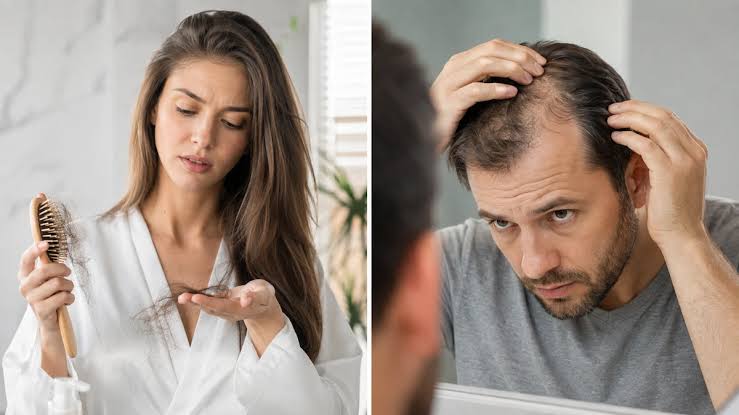
A dozen long hairs can seem like a large handful when they curl around your fingers. The same number of short hairs may be barely noticeable. This simple visual difference is one reason people with longer styles sometimes worry about shower shedding. Hair length changes how a collection looks, not necessarily how many follicles are releasing strands. A useful approach is to distinguish what you see from what you conclude. Before assuming a change in hair health, ask whether your hair is longer than it was when you last formed an impression of ‘normal’.
Why the shower amplifies the effect
Long strands can wrap around the drain cover, catch on other hairs and form a visible loop. Water and conditioner can bring several loose strands into one clump. The clump may appear unusually dense even when it includes hairs that detached across multiple days. If you usually wear your hair tied back, some of those strands may have stayed caught until you loosened it. None of these explanations rules out a genuine change, but they show why a single wash is an unreliable measurement. It is sensible to consider the wider pattern.
Hair growth cycles are not synchronised
Each follicle follows its own sequence of growth, transition, rest and release. Because they are not all on the same schedule, some shedding happens routinely. The NHS describes losing approximately 50 to 100 hairs daily as common, but it is not a target that every individual must count or reach. The amount seen in one shower depends on many variables, including the interval between washes. A visible handful cannot be translated directly into a daily shedding rate without context. Persistent or sudden changes, rather than an isolated visual impression, are more useful reasons to seek an assessment.
The influence of detangling
Longer hair offers more opportunity for knots, especially where older ends have been exposed to years of rubbing and styling. If detangling is forceful, it can create breakage alongside the release of hairs that were already shed. Start gently at the ends and work upwards in manageable sections if that suits your hair type. Use an appropriate conditioner or detangling product according to instructions. Do not assume that a strand between your fingers has come from the root without looking at the bigger picture. The more practical objective is to reduce snagging and keep washing comfortable.
Reading a reliable explainer
For context about wash-day shedding, Normal Hair Loss in Shower outlines why long hair can make loose strands look more alarming and why the number in the drain is not a direct measure of overall hair loss. It also explains the effect of washing frequency. This information can help replace comparisons with social media photos, which rarely show matching hair length, density or detangling routines. If you notice a meaningful ongoing change in your own pattern, the next step is a professional assessment, not a more elaborate home counting system.
When products are worth reviewing
When people see a large clump, shopping for a new routine may feel like the obvious reaction. Before buying Hair Growth Products, consider what you actually want from a cosmetic product: easier combing, less tangling, a comfortable scalp or a pleasant wash experience. Check whether your current conditioner is suitable for the lengths and whether your shampoo matches your cleansing needs. Products may help with hair feel and appearance, but they cannot establish why shedding occurs or replace a clinical conversation about an unusual change.
Take a longer view
A photograph of your parting taken under similar lighting every so often may provide more useful context than repeated pictures of shower clumps. Even photographs need cautious interpretation because lighting, angles and styles affect appearance. Avoid turning the process into constant surveillance. A short note about changes to styling, wash frequency and scalp comfort is often enough. If you find a sustained difference in density, or hair comes out in sudden amounts, contact a GP. Hair length can explain an optical illusion, but professional advice is appropriate when the pattern itself changes.
A practical perspective
A helpful reminder is to separate observations from interpretations. ‘There were more strands on my hand’ is something you saw; ‘my shampoo caused hair loss’ is an explanation that requires far more evidence. Keeping that distinction clear allows you to respond proportionately. A new product, longer gap between washes, a different hairstyle or simply better lighting can change what you notice.
Additional considerations
Good cosmetic advice is specific about what a step can change. Shampoo removes surface oils and dirt; conditioner can improve slip and feel. Neither description needs exaggerated claims about changing the growth cycle. When you review your routine, ask whether each product has a clear purpose. If a step makes no noticeable difference to comfort, appearance or manageability, it may not be essential. This approach can simplify choices and reduce unnecessary spending.
Additional considerations
Professional advice is particularly valuable when the experience extends beyond styling. Sudden changes in hair density, painful scalp symptoms or distinct areas of missing hair cannot be reliably explained by a lifestyle article. A GP can assess the wider context and advise whether further investigation is needed. Seeking help is compatible with enjoying cosmetic haircare; the two serve different purposes and should not be confused.
Additional considerations
A helpful reminder is to separate observations from interpretations. ‘There were more strands on my hand’ is something you saw; ‘my shampoo caused hair loss’ is an explanation that requires far more evidence. Keeping that distinction clear allows you to respond proportionately. A new product, longer gap between washes, a different hairstyle or simply better lighting can change what you notice. Record the facts first and avoid confident explanations based on one occasion.
A calmer conclusion
Long hair often makes ordinary shedding more visible and memorable. The collection in your drain is affected by strand length, washing intervals, texture and how much detangling happens at once. Judge routines by comfort, manageability and consistent observations instead of a dramatic-looking bundle. When something seems persistently different, seek a qualified assessment. Understanding the visual effect of longer strands can make wash day less alarming without dismissing genuine concerns.
