

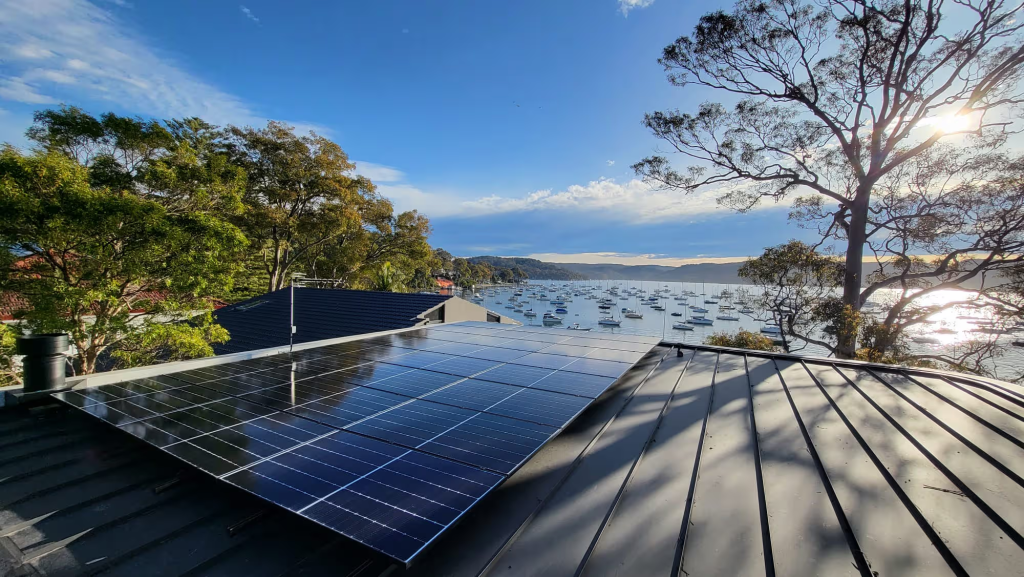
Most residential solar photovoltaic systems in Australia are installed with a product warranty of ten years on the panels and inverter, and a performance warranty of twenty-five years guaranteeing that the panels will continue to produce at least eighty per cent of their rated output for the duration of that period. For homeowners who installed systems in the early years of the solar boom — around 2009 to 2013 — those ten-year product warranties have already expired, and the twenty-five-year performance warranties are approaching their halfway point. Understanding what these warranty milestones actually mean for the ongoing performance and maintenance of a solar system is important for every solar household.
What warranty expiry means in practice
The expiry of a product warranty does not mean that a solar system will stop working or immediately require replacement. Solar panels are solid-state devices with no moving parts, and high-quality panels installed correctly often continue performing well for thirty years or beyond. What warranty expiry does mean is that the financial risk of component failure shifts entirely to the homeowner — if an inverter fails after the warranty period, the cost of repair or replacement is the homeowner’s responsibility, typically ranging from one thousand to three thousand dollars depending on the inverter type and the size of the system.
Consulting a reputable local provider like solar power Shoalhaven before a major component fails — rather than after — allows homeowners to assess the current condition of their system, understand what the remaining useful life of each component is likely to be, and plan for replacement in a timeframe and budget that suits them rather than in response to an unexpected failure that leaves them without generation during the delay between fault and repair.
Inverter longevity is the most common post-warranty concern for solar system owners, as inverters typically have a shorter operational life than the panels they serve. String inverters — the most common type installed in residential systems during the first decade of the solar boom — have an expected operational life of ten to fifteen years, meaning that many systems installed between 2010 and 2015 are now in the period of elevated inverter replacement risk. Signs of inverter deterioration include reduced system output, error codes displayed on the inverter screen, increased idle heat, and in some cases visible physical deterioration of the casing or cooling components.
Panel degradation over time
Solar panels degrade in output gradually over their operational life, with the performance warranty typically guaranteeing a maximum annual degradation rate of no more than 0.7 per cent per year. In practice, many high-quality panels perform better than this guarantee, with real-world degradation rates closer to 0.4 to 0.5 per cent per year in Australian conditions. After twenty-five years, a panel operating at the guaranteed degradation rate would be producing eighty per cent of its original rated output — still a substantial and commercially viable level of generation for a household whose electricity usage has not fundamentally changed.
Monitoring actual versus expected system output is the most practical way to track panel performance over time. Most modern inverters and monitoring platforms display historical generation data that can be compared against expected output based on local solar irradiance data and the known degradation characteristics of the installed panels. A system that is producing significantly below its expected output — after accounting for seasonal variation, shading changes, and soiling — may have panels that are degrading faster than expected, inverter issues, or shading or soiling problems that have developed over time and that can often be addressed with relatively simple interventions.
Maintenance and inspection
Regular maintenance extends the operational life of solar system components and ensures that any developing problems are identified before they become costly failures. For most residential systems, an annual inspection by a Clean Energy Council-accredited installer is sufficient to check the condition of the panels, the inverter, the mounting hardware, the wiring connections, and the performance data. This inspection should include a physical check of panel surfaces for soiling, cracking, or delamination; a check of all electrical connections for corrosion or loosening; and a review of the system’s output history to identify any patterns of underperformance that warrant investigation.
Panel cleaning is a maintenance task that is frequently neglected by residential solar owners, partly because the panels are located on the roof and not easily accessible, and partly because rainfall in most Australian locations provides a degree of natural cleaning that prevents the most severe soiling. However, in areas with heavy dust, pollen, bird activity, or industrial particulates, accumulated soiling can reduce panel output by five to fifteen per cent — a meaningful reduction in a generation asset that the household is depending on to reduce electricity bills. Professional panel cleaning services are available in most areas and represent good value relative to the output recovery they typically deliver.
Making well-considered decisions about your solar system — like making well-considered decisions about digital assets such as how to choose a Shopify theme for an online store — comes down to research, understanding the options, and selecting the approach that best suits your specific situation and goals. For solar system owners approaching warranty expiry, the equivalent of this research is a professional system review that gives a clear picture of what is working well, what is approaching end of life, and what investment is most likely to extend the system’s useful contribution to the household’s energy independence.
When to consider replacement or upgrade
The decision to replace or upgrade a solar system depends on a combination of factors including the current system’s output and condition, the household’s current and anticipated electricity usage, the available roof space for additional panels, any changes in feed-in tariff arrangements, and the current cost and performance of modern solar technology relative to the original installation. Modern solar panels are significantly more efficient than those installed ten to fifteen years ago — a replacement system using current technology may produce substantially more electricity from the same roof area than the original installation, potentially justifying the capital outlay even where the existing system is still performing adequately.
Adding battery storage to an existing solar system is an increasingly attractive option for households approaching or past their product warranty period, as the economics of home battery storage continue to improve as battery costs decline. A battery retrofit assessment should include a review of whether the existing inverter is compatible with battery integration, or whether a hybrid inverter replacement is required — which, if the existing inverter is approaching end of life anyway, may make the combined solar upgrade and battery installation a more economically rational project than addressing each component separately at different points in time.
