

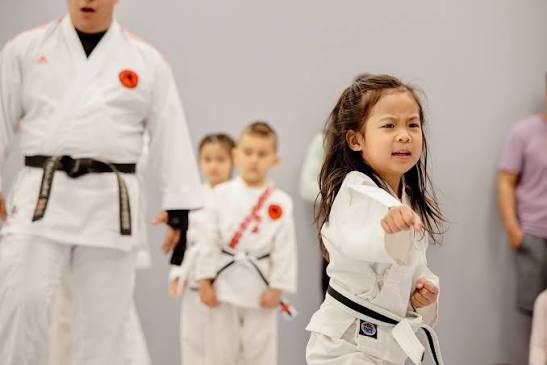
Teen years come with many responsibilities. Students have to manage schoolwork, tests, friendships, family expectations, activities, and personal goals. With so much happening at once, developing good study habits can sometimes feel difficult. This is where structured activities such as Teens martial arts classes can make a meaningful difference. Martial arts is not only about learning physical techniques or improving fitness. A well-organized martial arts program can also teach young people how to set goals, follow routines, stay focused, and respond to challenges with patience. At Success Martial Arts, the focus can extend beyond physical training by helping students build useful habits that support growth inside and outside the training environment. Regular practice gives teens a consistent routine where they can learn the value of preparation, effort, and responsibility. These lessons can carry over into homework, studying, time management, and other areas of school life.
The connection between martial arts and academic habits comes from the structure involved in training. Students are expected to listen carefully, remember instructions, practice skills, and keep working even when something feels challenging. These same behaviors are useful when completing an assignment or preparing for an important exam. Teens martial arts classes can provide a positive setting where students learn that improvement usually happens through steady effort rather than instant results. Instead of expecting to master a skill immediately, students learn to practice, receive feedback, correct mistakes, and try again. This approach can help develop a growth mindset and a stronger attitude toward learning. Martial arts instructors can also reinforce values such as respect, perseverance, concentration, and accountability. Over time, these qualities may help students approach school responsibilities with greater confidence and consistency.
Building a Consistent Daily Routine
One of the most useful lessons martial arts can provide is the importance of routine. Teens often struggle with balancing school assignments, screen time, social activities, rest, and other commitments. A regular training schedule gives them a predictable part of the week that requires preparation and commitment. Attending class at a set time encourages students to plan ahead rather than waiting until the last moment. They may begin to understand that completing responsibilities earlier can make the rest of their day easier. This lesson can translate into better homework routines, more organized study sessions, and improved time management. A consistent schedule does not mean every day has to be perfect. Instead, it helps teens understand how small habits repeated over time can create meaningful progress.
Martial arts training also gives students a reason to organize their priorities. If a teen knows that practice begins at a certain time, they have to consider when homework should be completed and when other activities can fit into the day. This type of planning is an important part of independent learning. Parents and teachers can support the process by encouraging students to create realistic routines that include studying, training, relaxation, and sleep. The goal is not to overload a young person with activities but to help them learn how to manage commitments responsibly. When martial arts becomes one part of a balanced schedule, it can reinforce the idea that preparation and consistency are valuable skills for both academic and personal success.
Strengthening Focus and Concentration
Concentration is another important skill that connects martial arts training with studying. During a martial arts class, students need to pay attention to instructions, watch demonstrations, remember sequences, and respond appropriately. Losing focus can make it harder to perform a movement correctly, so students are naturally encouraged to stay present. This type of focused practice can help young people become more aware of distractions and learn how to return their attention to the task in front of them. Those habits can be useful when reading a chapter, completing mathematics problems, writing an essay, or preparing for a test. Martial arts does not automatically solve every concentration problem, but structured practice can give teens regular opportunities to strengthen their ability to focus.
The environment of a martial arts school can also teach students to break complicated skills into smaller steps. Instead of trying to learn everything at once, an instructor may introduce one movement, explain the details, and allow students to practice before adding another part. Students can apply a similar approach to schoolwork. A large assignment may seem overwhelming when viewed as one task, but dividing it into smaller sections can make it easier to manage. Teens martial arts classes can therefore reinforce practical learning habits such as paying attention, following directions, practicing deliberately, and completing tasks step by step. These habits are useful far beyond the classroom and can support lifelong learning.
Developing Discipline Through Practice
Discipline is often misunderstood as simply forcing yourself to do something you do not want to do. For teenagers, healthy discipline is more about learning how to follow through on responsibilities even when motivation changes. Martial arts provides a practical environment for developing this skill because progress requires repeated practice. A student may not feel equally motivated every day, but attending training and making a reasonable effort can still move them forward. This teaches an important lesson: progress is often created by consistency rather than short bursts of enthusiasm. The same principle applies to studying. A student who reviews material regularly may feel more prepared than someone who waits until the night before an exam.
Martial arts progression can also help students understand that goals are achieved in stages. As students learn new techniques and develop greater control, they can see evidence of their improvement. This experience may encourage them to approach academic goals with a similar mindset. Instead of thinking only about a final grade, a teen can focus on completing today’s reading, improving a weak subject, or preparing for the next assignment. Teens martial arts classes can support this process by giving young people a structured environment where effort, patience, and responsible behavior are recognized. Good instructors can encourage students without creating unhealthy pressure, helping them understand that mistakes are a normal part of learning and improvement.
Teaching Responsibility and Accountability
Martial arts can also help teenagers become more responsible for their own actions. Students are expected to arrive prepared, listen to instructors, respect training partners, and follow class rules. These expectations create a clear connection between choices and outcomes. When students forget equipment, arrive unprepared, or fail to pay attention, they can see how those choices affect their experience. When they prepare properly and participate with focus, they can experience the benefits of being responsible. Learning this connection can help teenagers become more independent in other areas, including school.
Accountability is especially important as students become older and gain more control over their schedules. Parents can remind teens about homework and responsibilities, but young people eventually need to develop the ability to manage these tasks themselves. Martial arts can provide a supportive space where that independence grows gradually. Instructors can encourage students to take ownership of their progress while parents provide appropriate guidance at home. This partnership can help create a balanced approach to youth development. Rather than focusing only on grades or athletic performance, the goal is to help teenagers become reliable, respectful, and confident people who understand the value of their choices.
Using Martial Arts Lessons for Academic Success
The benefits of martial arts become most valuable when students apply the lessons they learn during training to everyday life. A teen who learns to remain calm while facing a difficult technique may become more comfortable dealing with a challenging school assignment. A student who learns to practice a skill repeatedly may become more willing to review difficult academic material. Someone who learns to respect instructions and accept constructive feedback may also become more receptive to teachers’ guidance. These connections show why youth martial arts can be about much more than physical activity. The training environment can provide practical experiences that encourage personal development and stronger habits.
For families considering Teens martial arts classes, it is important to choose a program that places appropriate emphasis on safety, respect, age-appropriate instruction, and positive development. A quality program should recognize that teenagers have different abilities, personalities, and learning styles. The goal should be to encourage progress without creating unnecessary pressure. Success Martial Arts can serve as a setting where teens have the opportunity to develop discipline, focus, confidence, and responsibility while learning martial arts skills. When these qualities are combined with supportive parenting and effective academic guidance, students can build habits that benefit them well beyond their school years.
Conclusion
Martial arts can be a valuable part of a teenager’s personal and academic development. Through regular practice, structured routines, focused instruction, and goal-based progression, students can develop habits that support better organization and self-discipline. Teens martial arts classes can teach young people to value consistency, manage responsibilities, accept feedback, and keep working through challenges. These lessons can influence how students approach homework, studying, exams, and other everyday responsibilities.
At Success Martial Arts, the broader value of training is not limited to physical skills. A supportive martial arts environment can give teens practical opportunities to strengthen focus, responsibility, perseverance, and confidence. When these skills become part of a balanced lifestyle, they can help students approach both school and life with a more positive and determined mindset. Martial arts is not a replacement for good teaching or healthy family support, but it can be a meaningful tool for helping teenagers build habits that serve them for years to come.
