

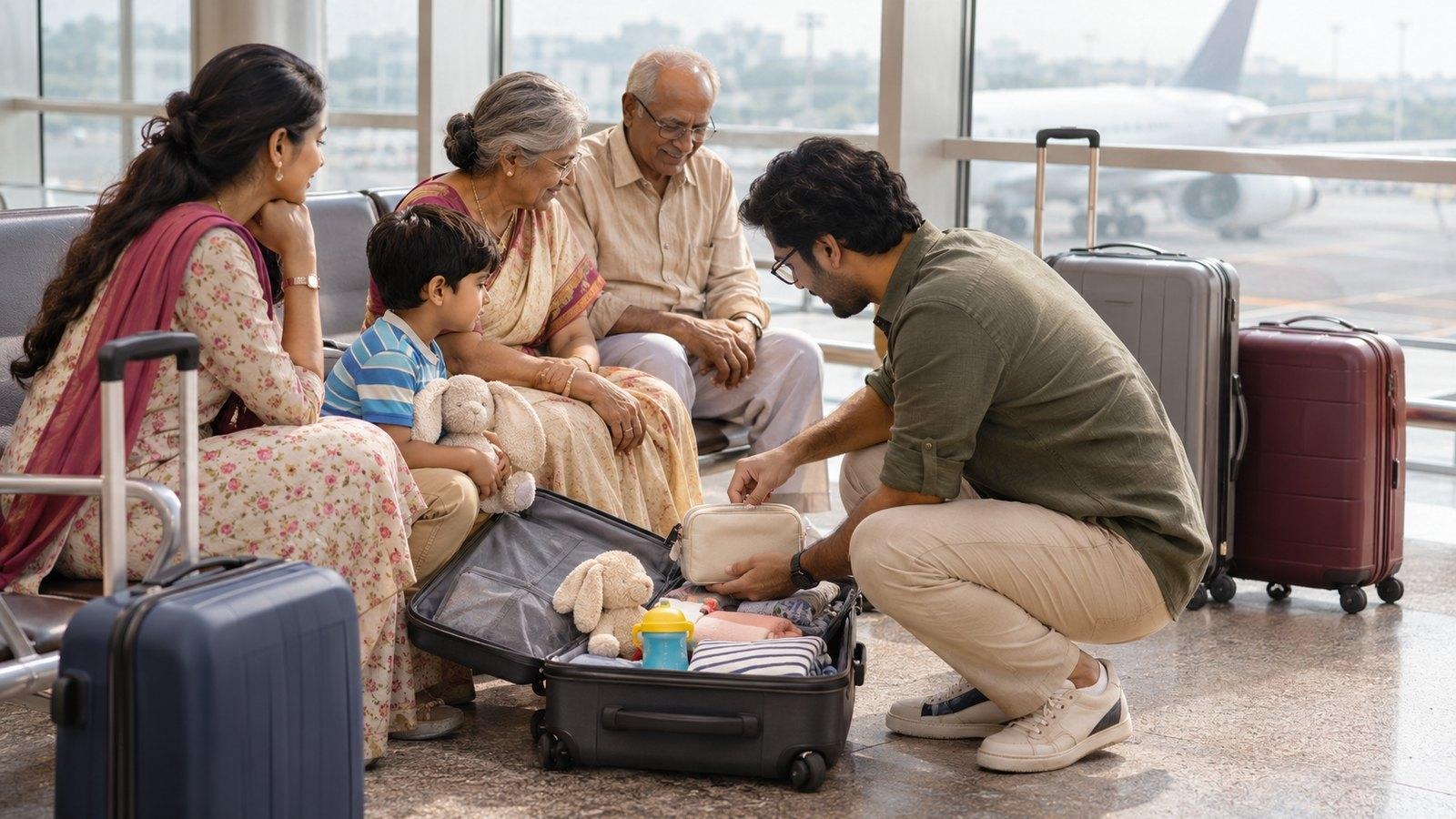
A family holiday feels different when young children and grandparents travel together. Someone may need regular medicines, while another may struggle with long airport waits. That raises a practical question about travel insurance: is it worth it for family trips? Often, yes.
Suitable cover can help with eligible medical emergencies and certain travel disruptions. However, the value depends on who is insured, their health needs and the benefits included. Here is what families travelling from India should know.
Why Does a Family Trip Need Different Planning?
Children and older adults may need different levels of attention during the same journey. A sightseeing schedule that suits teenagers may be tiring for grandparents. An unexpected illness can also affect everyone’s plans, not just the person receiving treatment.
Before finalising the itinerary, discuss walking distances, rest breaks, transport access and nearby medical facilities. A comfortable schedule helps the family enjoy the trip without rushing between activities.
What Can Family Travel Insurance Help With?
Travel insurance can provide financial support for specific events described in the policy. Benefits vary, so read what the plan actually covers rather than assuming every disruption qualifies.
Medical Treatment Away from Home
Emergency consultations, hospital stays and medically necessary evacuation may be included. Some policies also provide assistance in locating a hospital or coordinating treatment. Families should check the medical limits and the process for arranging cashless care, where available.
Also check whether a parent can stay with a hospitalised child, since companion assistance is available only under some policies.
Changes to Travel Arrangements
A covered cancellation, interrupted journey or baggage delay may lead to eligible reimbursement or other benefits. The reason for the disruption matters. Keep booking records and airline confirmations because insurers may request evidence.
How Do You Find Suitable Cover for Everyone?
The best travel insurance for a family is not necessarily the policy with the longest benefits list. It is the one that meets the needs of the actual travellers, including the youngest and oldest members.
Check these points before arranging cover:
- Age eligibility: Confirm whether infants and grandparents qualify under the same policy.
- Named travellers: Make sure every person who needs protection appears in the insurance documents.
- Medical assistance: Understand emergency contact arrangements and how hospital payments are handled.
- Destination validity: Check that every country on the itinerary falls within the geographical cover.
A family plan may be convenient, but separate policies could be needed when age limits or other eligibility conditions differ.
What Should Grandparents Prepare before Departure?
A medical discussion before travel is useful when a grandparent takes regular medication or manages an ongoing condition. Ask the treating doctor about the journey, medicine supplies and any specific precautions relevant to the destination.
Tell the insurer about existing medical conditions when requested. Coverage for related emergencies depends on the specific policy terms. Carry prescriptions and essential medicines in hand luggage, following airline and destination rules. Store a brief medical history somewhere accessible to an accompanying adult.
How Can Parents Make the Journey Easier for Children?
Children need familiar essentials close by, particularly during flights or long connections. Pack snacks, spare clothes and any prescribed medicines in cabin baggage, subject to security rules. Allow time for meals, sleep and toilet breaks.
Keep passports and emergency contact details organised. Where a child travels without a parent or legal guardian, check whether consent documents are required by the airline or destination authorities.
What Should the Family Do during an Emergency?
Seek appropriate medical help promptly. Contact the insurer’s assistance service as soon as reasonably possible and follow its instructions for authorisation or claims.
Save medical reports, bills, prescriptions and payment receipts. For delayed baggage or cancelled flights, request written confirmation from the airline. These records help explain what happened and support the insurance claim process.
Final Thoughts
Travel insurance can be worthwhile for a family holiday because medical needs and unexpected changes may affect several generations at once. It does not replace sensible planning or medical advice.
Match the cover to each traveller, understand the policy conditions and keep assistance details handy. A little preparation makes it easier to look after everyone abroad.