

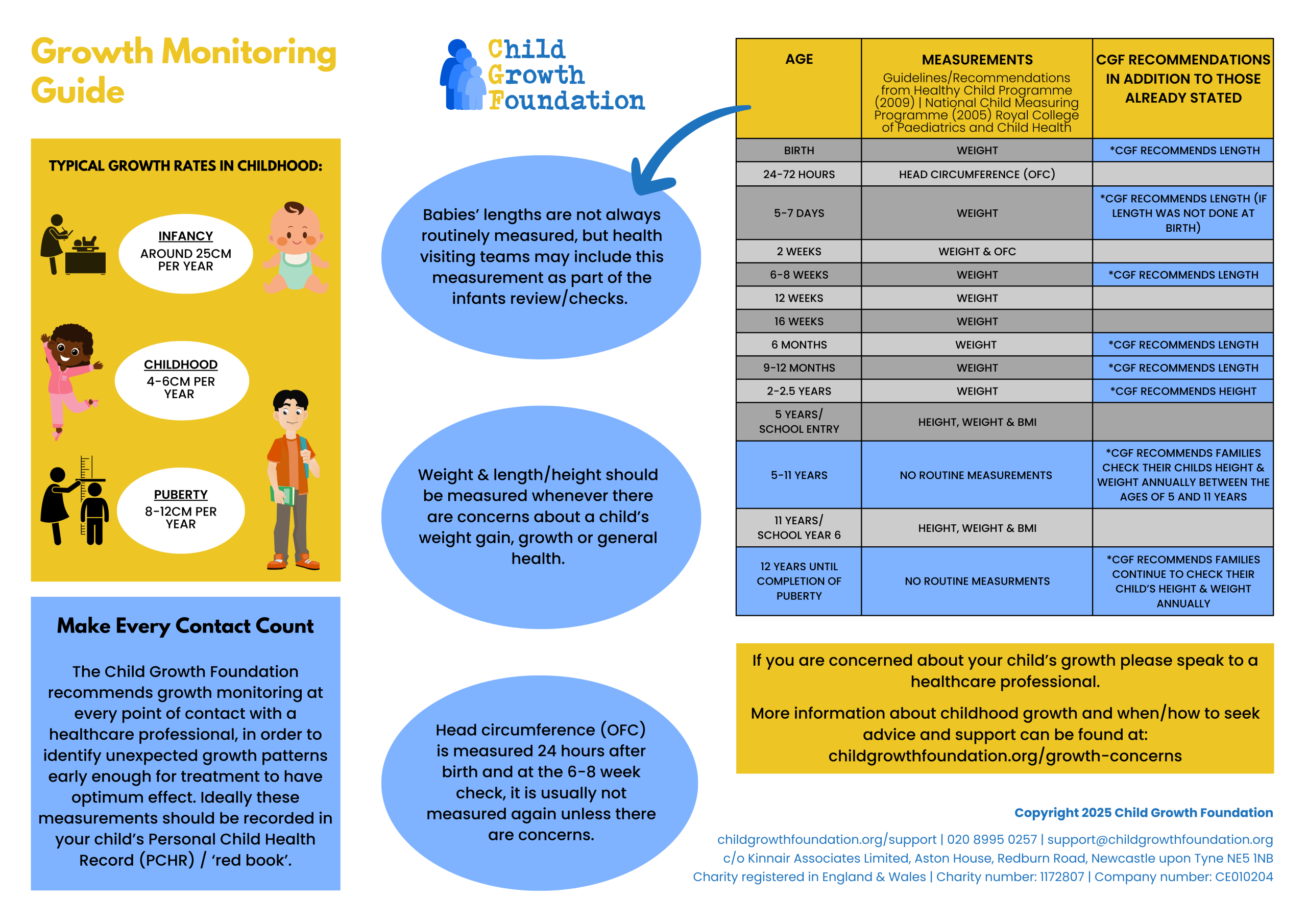
Parents naturally notice changes in their child’s height as the years go by. Marking a doorway with pencil lines or comparing siblings often becomes part of family life. While these observations are fun, healthcare providers rely on much more detailed information to determine whether a child is growing appropriately.
Growth is one of the most important indicators of a child’s overall health. A steady growth pattern often reflects healthy development, while an unexpected slowdown may prompt further evaluation.
More Than Just Height
A child who is shorter than classmates is not necessarily unhealthy. Likewise, a child who is tall may still have underlying medical concerns. For this reason, pediatric providers evaluate multiple aspects of growth rather than focusing on height alone.
A comprehensive assessment may include:
- Annual growth velocity
- Height and weight percentiles
- Body mass index (BMI)
- Family history of height and puberty
- Nutrition and eating habits
- Medical history
- Physical examination
- Bone age imaging when indicated
Together, these findings help determine whether growth is progressing as expected.
The Role of Hormones in Childhood Growth
Several hormones contribute to normal development during childhood. Growth hormone, thyroid hormone, sex hormones, and Insulin-like Growth Factor 1 (IGF-1) all work together to support bone growth and overall physical development.
When one part of this system is disrupted, children may experience slower growth than expected.
Understanding igf-1 deficiency
During an endocrine evaluation, physicians may assess for igf-1 deficiency if a child’s growth pattern raises concern. IGF-1 is an important protein involved in bone growth and is produced largely in response to growth hormone.
A lower-than-expected IGF-1 level does not always indicate a growth hormone disorder. Age, nutrition, puberty, chronic illness, liver health, and other medical factors can all influence laboratory values. Because of this, healthcare providers interpret IGF-1 alongside growth charts, physical examination findings, and additional diagnostic testing before making clinical decisions.
When Is HGH for kids Appropriate?
Parents researching HGH for kids often discover that treatment is reserved for children with specific medical indications rather than simply being below average height.
Before recommending therapy, specialists typically evaluate:
- Growth history
- Growth velocity
- Bone age
- Hormone laboratory studies
- Medical history
- Family growth patterns
- Overall health
If treatment is considered appropriate, regular follow-up appointments allow physicians to monitor growth, adjust therapy when needed, and ensure that the child continues developing safely.
Choosing a growth clinic California
Families looking for specialized pediatric growth care may search for a growth clinic California that offers comprehensive evaluations for children with growth concerns. An experienced clinic typically takes a multidisciplinary approach, combining detailed medical history, physical examination, laboratory testing when indicated, and long-term monitoring.
Rather than focusing solely on treatment, these clinics help families understand why growth may be slower than expected and whether observation, additional testing, or medical therapy is the most appropriate next step.
Why Early Evaluation Can Be Beneficial
Many childhood growth conditions become easier to recognize when growth is monitored consistently over several years. Early evaluation allows healthcare providers to identify patterns before growth plates begin closing during adolescence.
Even if no medical condition is found, families often benefit from understanding their child’s individual growth trajectory and receiving reassurance that development is progressing appropriately.
Helping Children Reach Their Natural Growth Potential
Healthy childhood growth depends on much more than genetics. Nutritious meals, regular physical activity, quality sleep, routine healthcare, and careful monitoring all contribute to healthy development.
Parents who notice persistent slowing of growth or significant changes in their child’s height pattern should discuss these concerns with a qualified healthcare professional. A thorough evaluation can provide answers, guide future care, and help children reach their fullest natural growth potential.
