

Introduction
A large cannabis catalogue can offer considerable variety, but that variety can also make product comparison more complicated. Different strain names, classifications, potency figures, quantities, aromas and product grades can appear across individual listings, making it difficult to know which details deserve the most attention.
Comparing cannabis products does not have to involve choosing a single characteristic and using it as the deciding factor. A more useful approach is to consider several pieces of information together. Product format, genetic classification, cannabinoid content, aroma, quantity and price can each provide a different part of the picture.
This is particularly relevant when comparing flower. Products may share the same broad classification while having completely different strain lineages, terpene profiles or cannabinoid levels. Likewise, products with similar names may differ in grade, cultivation method or quantity.
A structured comparison process can make browsing more manageable. By separating the most important product characteristics and examining them consistently, shoppers can better understand the differences between listings and identify products that align with their individual preferences.
Start With the Product Format
Before comparing individual products, it helps to establish which cannabis format is being considered. Cannabis is available in several forms, including flower, concentrates, edibles and vape products. Each format has different characteristics, making direct comparisons between them less useful.
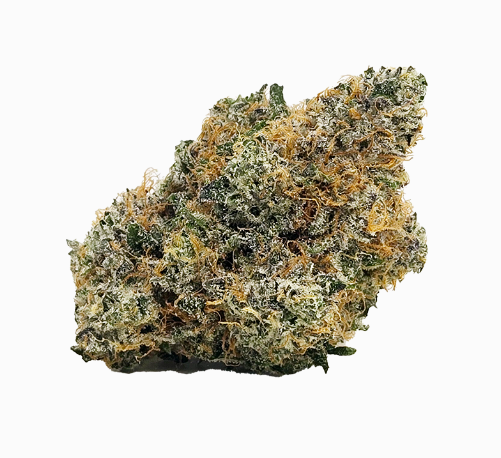
Flower represents cannabis in its dried plant form and is generally sold by weight. Concentrates, on the other hand, undergo additional processing and include products such as shatter, hash, live resin and distillate. Edibles contain cannabis extracts or cannabinoids incorporated into food products, while vape products are designed for use with compatible devices.
Determining the preferred format first can narrow a large catalogue considerably. A shopper looking specifically for dried flower does not need to compare every concentrate or edible listing before beginning the flower comparison process.
Format can also influence other purchasing considerations. Flower listings may focus on strain, weight, appearance and terpene characteristics, while concentrate listings may provide information about extraction type, consistency and potency. Edible products may instead emphasise serving size and total cannabinoid content.
Once the format has been established, the comparison can become more specific. For flower shoppers, the next useful step is examining the genetic and classification information associated with each product.
This approach prevents unrelated products from being evaluated against one another and creates a clearer starting point for navigating a broad cannabis selection.
Examine the Strain and Genetic Information
Strain information provides an important starting point when comparing cannabis products because it can offer insight into a product’s genetic background. Cannabis retailers commonly organise flower using names associated with particular cultivars, along with broader classifications such as Indica, Sativa and Hybrid.
However, strain names should not be treated as complete descriptions of a product. Modern cannabis breeding has produced a large number of cultivars, many of which contain complex genetic backgrounds. Two products carrying the same broad classification can therefore have noticeably different characteristics.
Genetic information can still be useful for identifying patterns. A shopper who has previously preferred particular cultivars may use strain names or lineage information to explore related products. Similarly, someone interested in a particular aromatic profile can use strain information as a starting point before checking the rest of the product description.
The Indica, Sativa and Hybrid classifications can also help narrow a large selection. These terms are commonly used as retail categories, although modern breeding means that the boundaries between them are not always straightforward.
For a more complete comparison, genetic information should be considered alongside cannabinoid content, aroma, flower structure and other product specifications. A strain name alone cannot establish whether one product will suit a particular shopper better than another.
Looking at genetics in this broader context allows shoppers to use strain information without depending entirely on it. It becomes one useful component of the comparison rather than the sole deciding factor.
Compare Cannabinoid Information
Cannabinoid information can provide more specific product data than a strain name or broad classification. For shoppers comparing cannabis flower, figures relating to THC, CBD and other available cannabinoids can help distinguish between products that may otherwise appear similar.
THC and CBD are two of the most commonly listed cannabinoids in cannabis product descriptions. THC is the cannabinoid most commonly associated with cannabis’s intoxicating properties, while CBD is another naturally occurring cannabinoid found in many cannabis varieties.
Product listings may express cannabinoid concentrations as percentages or provide other measurements depending on the product and retailer. When comparing different flowers, shoppers should make sure that the figures being compared use the same type of measurement and refer to comparable product quantities.
Potency information should also be viewed in context. A higher THC percentage does not automatically mean that a product is of better quality or that it will be preferred by every consumer. Quality and preference involve many characteristics beyond cannabinoid concentration.
Cannabinoid information becomes particularly useful when combined with other product details. A shopper might compare two flowers with similar THC levels but discover that they have different genetic backgrounds, aromas or terpene profiles. Conversely, products with similar strain classifications may have different cannabinoid compositions.
Laboratory information, when available, can therefore provide an additional layer of objective product data. It allows shoppers to move beyond broad marketing terminology and examine measurable characteristics associated with individual products.
The most effective approach is to treat cannabinoid figures as one part of a wider comparison. They can help explain how products differ, but they should not replace consideration of genetics, aroma, quantity or other specifications.
Pay Attention to Aroma and Terpene Descriptions
Aroma is one of the most noticeable differences between cannabis flowers. Different products can produce scents ranging from citrus and fruit to pine, spice, herbs and earthy notes. These characteristics are largely connected to naturally occurring aromatic compounds known as terpenes.
When comparing product descriptions, terpene information can help shoppers identify aromatic profiles that match their preferences. A product described with citrus or tropical notes, for example, may appeal to someone who prefers fruit-forward aromas, while another shopper may prefer earthy or pine-like descriptions.
Several factors can contribute to a flower’s aromatic profile:
- Genetics: A cultivar’s genetic background plays an important role in determining which aromatic compounds it can produce. Different strains can therefore develop distinctly different scent profiles even when grown under similar conditions.
- Terpene composition: Terpenes are responsible for many of the characteristic aromas found in cannabis and other plants. The combination and relative presence of different terpenes can create complex scents that are difficult to describe using a single term.
- Cultivation conditions: Growing conditions can influence plant development and the characteristics of the finished flower. Light, temperature and other environmental factors are among the variables involved in cultivation.
- Harvest and post-harvest handling: Drying and curing can affect the condition and aroma of finished flower. Appropriate post-harvest handling helps determine how the product develops after it is harvested.
- Individual perception: Aroma is partly subjective. The same product description may appeal to different shoppers in different ways, so sensory preferences remain personal rather than universal.
Terpene descriptions are therefore useful for comparison, but they should be understood as descriptive information rather than guarantees of a particular experience. Combining aroma information with genetics and cannabinoid data can provide a much clearer product profile.
Consider Price, Quantity and Product Grade
Price can appear to be one of the simplest factors to compare, but it becomes more complicated when products are sold in different quantities or grades. A product offered at a lower total price may not necessarily represent a lower cost per gram, particularly when package sizes differ.
Comparing equivalent quantities provides a more meaningful starting point. For example, two products should be evaluated using the same unit of measurement when assessing their relative prices. This helps distinguish genuine price differences from differences caused simply by package size.
Larger quantities can sometimes change the overall price structure of a product. Bulk options may have a different cost per gram compared with smaller packages, but shoppers also need to consider storage requirements and how quickly the product is likely to be used.
Product grade is another consideration. Retailers may use different grading systems to distinguish flowers according to characteristics such as appearance, trimming, density and overall presentation. These grades can help organise a catalogue, but they should not automatically be interpreted as a universal measure of personal preference.
A shopper who prioritises appearance may value characteristics associated with a particular grade, while another may focus more heavily on aroma, genetics or price. This means that the most expensive product is not automatically the most suitable option for every consumer.
A balanced comparison should therefore consider:
- Price per unit: Comparing the cost of equivalent quantities provides a clearer picture than comparing package prices alone.
- Package size: Quantity can affect both value and storage requirements, so the amount included should be considered alongside the price.
- Product grade: Grades can provide information about presentation and certain physical characteristics, but they do not determine individual preference.
- Overall product profile: Price and quantity should be considered together with genetics, cannabinoid information, aroma and other specifications.
This approach keeps pricing in perspective. Rather than treating cost as an isolated factor, shoppers can consider what characteristics they are receiving for the listed price.
Build a Consistent Comparison Checklist
A repeatable checklist can make cannabis shopping easier, particularly when a catalogue contains numerous products with similar names or classifications. Instead of evaluating every listing from scratch, shoppers can compare the same core characteristics each time.
The first consideration can be product format, followed by strain and genetic information. After that, cannabinoid figures, aroma descriptions, quantity, price and grade can be reviewed. This creates a consistent framework that reduces the likelihood of overlooking important details.
A simple comparison process can include the following:
- Product format: Confirm that the products being compared are actually the same type. Flower should be compared with other flower, while concentrates and other formats should be evaluated separately.
- Genetics and classification: Record the strain name and whether the product is described as Indica, Sativa or Hybrid. Lineage information can provide additional context when available.
- Cannabinoid information: Compare THC, CBD and other listed cannabinoid figures using equivalent measurements. This provides measurable information about the products.
- Aroma and terpene profile: Note the main descriptive characteristics. Recording preferred aromas can make future product searches more efficient.
- Quantity and price: Compare equivalent quantities and consider cost per gram where appropriate. Package size should remain part of the calculation.
- Product grade and presentation: Consider flower structure, appearance and grading information without treating a particular grade as universally preferable.
Keeping these details in a simple personal record can also help identify patterns over time. A shopper may discover that certain genetic lineages, aroma profiles or product quantities consistently match their preferences.
Such a framework does not need to turn cannabis shopping into a complicated process. Its purpose is simply to create consistency. When the same factors are considered across several products, the differences between listings become easier to understand.
Conclusion
Comparing cannabis products becomes much simpler when individual labels are placed within a broader framework. Product format provides the initial distinction, while strain and genetic information can help explain where a product comes from. Cannabinoid figures, terpene descriptions, quantity, price and grade then provide additional information for a more complete comparison.
Indica, Sativa and Hybrid classifications remain useful for navigating cannabis catalogues, but they should not be treated as complete descriptions of individual products. Modern breeding has created considerable diversity within each category, making product-specific information increasingly important.
A consistent checklist can help shoppers evaluate that information without becoming overwhelmed by a large selection. By comparing equivalent quantities, reviewing measurable specifications, considering aroma preferences and examining genetic information, consumers can make their product research more structured.
Ultimately, effective cannabis shopping is less about finding a single characteristic that determines quality and more about understanding how several characteristics work together. A clear comparison process gives shoppers the information needed to explore different products while recognising that individual preferences can vary considerably.
