

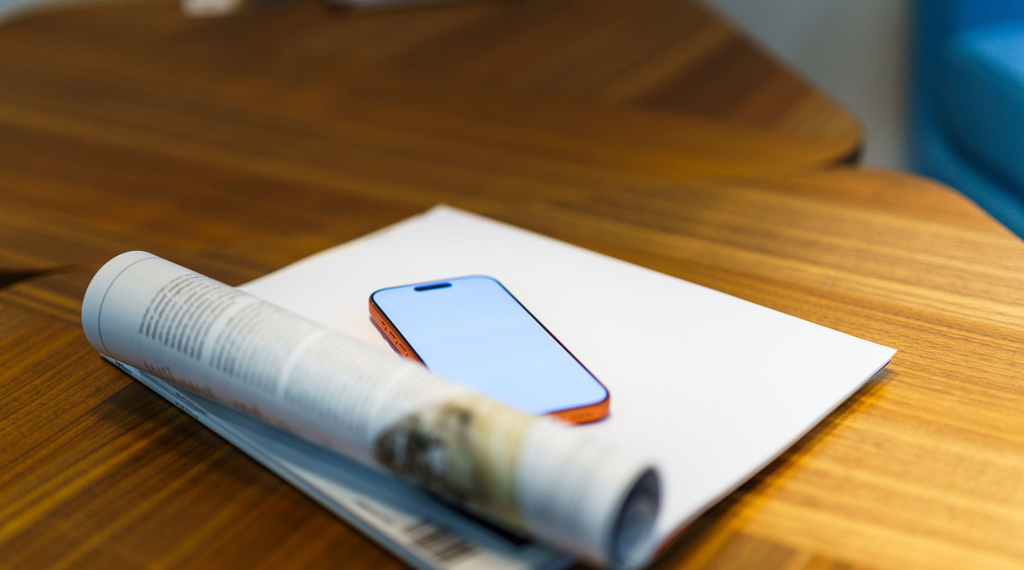
Lifestyle magazine content reaches readers in more forms today than it ever has. A single article might appear on a glossy printed page, a mobile app, a social media feed, and a voice assistant summary within the same week. That shift changed not only where people read but how they read, how long they stay engaged, and how much they trust what they find. Anyone interested in media, publishing, or simply how information about style, wellbeing, and culture reaches everyday audiences should care about these consumption patterns. Current research on print and digital reading habits shows why those differences run deeper than convenience, and what they suggest about where lifestyle publishing goes next.
The Shift from Print to Digital Lifestyle Magazine Reading
For decades, lifestyle magazines lived almost exclusively on paper, arriving monthly in mailboxes or waiting on newsstand racks. Readers set aside dedicated time to leaf through features on travel, fashion, and personal wellbeing, often returning to favorite issues weeks later. That rhythm has largely disappeared, and few publishers saw it coming this fast. According to the Reuters Institute for the Study of Journalism at the University of Oxford, more than two thirds of readers under forty now access lifestyle and feature content primarily through smartphones, a pattern that has accelerated steadily since 2018. That number was closer to one in three a decade ago.
Digital access did more than replace print. It reset what readers expect from speed and personalization. Readers increasingly expect a best lifestyle magazine to offer instant updates, searchable archives, and content tailored to their interests rather than a fixed monthly structure. Publishers that have adapted this way report longer average visit times and stronger returning audiences, even as overall print circulation continues to decline across most Western markets.
Why Reading Habits Differ Across Formats
The differences between print and digital reading go beyond location. Eye-tracking research from the Poynter Institute has shown that print readers tend to read more linearly, following a page from start to finish, while digital readers scan headlines and images before deciding where to commit their attention. This scanning behavior shapes how lifestyle content gets written. Shorter paragraphs, clearer subheadings, and front-loaded key points are now standard practice across the publishing industry.
Attention span also plays a measurable role in how content performs. A study published by the Pew Research Center found that the average time spent on a single digital lifestyle article is under three minutes, compared with over eight minutes for equivalent print features. That does not mean digital readers absorb less information. It means publishers have to earn attention fast, often within the first paragraph.
What Readers Look for in a Trusted Lifestyle Magazine
Trust remains the deciding factor in why readers return to particular sources, regardless of format. Surveys conducted by the American Press Institute indicate that readers consistently rank editorial transparency, such as a clear separation between sponsored content and independent journalism, above visual design or publishing frequency. That finding challenges a common assumption in the industry, that flashy digital presentation alone drives long-term loyalty. Readers can tell within a paragraph or two if a source is chasing clicks over accuracy.
Consistency also matters a great deal to regular readers. Readers who follow a lifestyle magazine across both formats often describe a sense of continuity. They expect the same editorial voice and standards whether they are holding a printed issue or scrolling through an app on their phone. Publishers who maintain that consistency tend to retain audiences longer during periods of format transition.
The Future of Lifestyle Publishing
Hybrid models look set to define the coming years of the industry. Rather than treating print and digital as competing channels, many publishers now design content that serves both. Digital platforms carry timeliness, print carries depth and the kind of collectible value a phone screen cannot replicate. Industry analysts at Nielsen have noted that this dual approach helps stabilize readership numbers that might otherwise decline under a single-format strategy alone.
Voice search and audio summaries are next in line. Podcast-style briefings are already gaining traction among commuters and multitaskers who might not otherwise open a magazine app or a printed issue during their day, and that audience is only growing. A five-minute audio briefing on a commute may end up doing more for reader retention than either format managed alone.
Conclusion
The way readers engage with lifestyle content has shifted dramatically over the past decade. The underlying goal has not. Publishers still have to deliver trustworthy, well-crafted information that fits naturally into daily life. Whether through the pages of a printed issue or the scroll of a mobile screen, a lifestyle magazine succeeds when it respects how its audience actually reads, not merely where they happen to be reading. Formats will keep shifting. The publishers who study these habits closely, rather than assume them, are the ones readers keep coming back to.
