

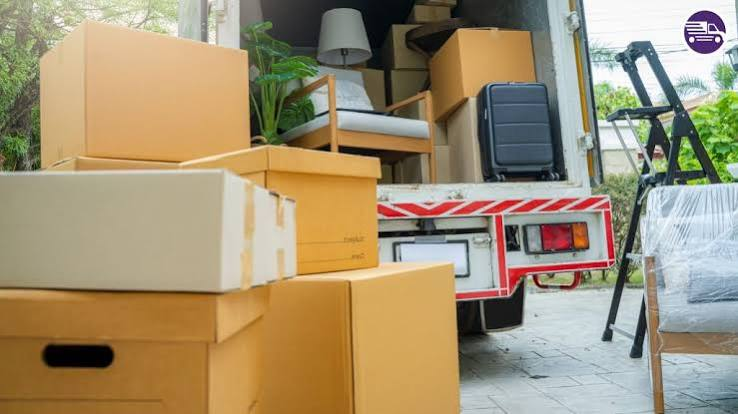
Six in the evening on moving day. The beds are made, the dishes are stacked in the cupboards, the bookcase stands against the wall it was meant for, and the flattened boxes have already been driven away. The resident walks in and puts the kettle on — after a full day at the office. That evening is what the top tier of the Finnish moving industry sells, and it is why its price sits in a different bracket entirely from a van and a driver.
There are three tiers in practice, and recognising which one a quote describes is the most useful thing you can learn before asking for a number. Tier one buys transport. Tier two buys transport plus muscle. Tier three buys the whole process, from the first packed box to the last mopped floor in the old flat.
The confusion is structural: all three are sold under one word. Firms build their service pages around the city they work in, so the page titled Muuttopalvelu Espoo is where one company lists its tiers side by side, while a competitor’s identically named page conceals a single van and one driver. Read the tier list before the price, then state in your request for a quote exactly what you intend to do yourself.
Tier one: transport only
The cheapest option is a vehicle and a driver. You pack, empty the shelves, take the bed apart and carry everything to the door. Expect roughly 60–90 € an hour, capital-region rates at the upper end, or a fixed fee of about 250–500 € for a small flat. Hiring a van yourself runs 60–120 € a day before kilometres, fuel and the excess-reduction fee.
This suits students, one-room flats and anyone fit who has friends and a free weekend. Stairs are what people underestimate: four floors without a lift can double the loading time, and on an hourly contract that lands straight on the invoice.
Tier two: the assisted move
The tier most households actually buy. You pack; the firm carries, loads, drives, unloads and brings everything into the new home. Dismantling and reassembling furniture is included as far as transport requires — bed frames, table legs, tall shelving. A three-room home within the capital region typically lands between 600 € and 1500 €, depending on floors, lifts, distance and volume.
Check whether furniture protection is in the price, and whether a piano is priced separately; piano transport commonly runs 250–600 €, more for a grand, and stairs push it up sharply. Settle parking early: agree with the isännöitsijä, the property manager of the taloyhtiö that owns the building, where the lorry may stand, and book the lift if the building has a booking system.
Tier three: full service
Here the crew arrives with its own materials, packs the wardrobes and the kitchen, transports everything, reassembles the furniture, places it where you agreed, and finishes with the move-out cleaning of the old flat. Some firms also unpack and put the crockery away. An indicative total is 1500–3500 €, of which cleaning is typically 250–600 €, or 4–8 € per square metre.
“Placing” is the word to pin down. For one company it means the sofa ends up in the living room; for another it means sofa, rug and lamp are in their final positions when you walk in. That gap is several hours of work. Send a floor plan in advance with the furniture marked on it — fifteen minutes of preparation saves a day of phone calls.
The difference from tier two is not only money. Packing a three-room home properly takes 20–30 hours out of your evenings and weekends. A trained team does it in a day, because they have the materials, the routine and a labelling system.
Who the top tier genuinely pays off for
Not everyone, and it should not be bought simply because it is offered. The clearest cases:
- Dual-career households with small children. Three weeks of evening packing costs more in sleep, temper and unused leave than paying someone.
- Older people downsizing. Emptying a family house is the largest sorting job most people ever do, and it arrives when capacity for it is lowest.
- People with limited mobility or recovering from illness. Lifting and kneeling are not optional here, and furniture assembly demands both.
- People returning from abroad. If you land on moving day, nobody is packing at the departure end or receiving at the arrival end unless it has been arranged.
- Employer-funded relocations. Full service is often the contractual norm, because the employee is expected to be functional at work the next morning.
Moving from a studio to a two-room flat with a free Saturday ahead, tier two is almost certainly enough. The more possessions, stairs and schedule pressure involved, the faster the full package pays for itself.
Five questions to ask before you order
Finnish providers market the top tier under the phrase avaimet käteen -muutto — literally a “keys in hand” move — but its contents are not standardised. That is why two quotes at the same price can describe very different days. Ask the following in writing, not over the phone.
- Who packs the valuables? Jewellery, cash, passports and documents are best carried by you. Agree which categories stay your responsibility.
- How are china and artwork protected? Ask whether crockery goes into compartmented dish cartons and pictures get corner protectors and rigid board. Against a plain box and bubble film, the difference in breakage risk is substantial.
- Are wardrobe boxes included? Hanging clothes travel fastest in tall boxes with a rail. Some firms charge for these separately, others lend them only for the day.
- Who unpacks, and who removes the packing material? The commonest hidden difference between identical-looking quotes. Establish how far unpacking goes and whether the empty cardboard is collected.
- How does the insurance work? Ask for the liability ceiling in euros, the excess, and whether cover extends to boxes you packed yourself. Usually it does not on the same terms.
Cost, deductions and timing
The labour portion of both the move and the cleaning normally qualifies for kotitalousvähennys, the household tax credit. The percentage and annual ceiling change from year to year, so check the terms in force on the Finnish Tax Administration website and ask for labour to be itemised on the invoice. The credit narrows the gap between tiers more than most people expect.
Remember what no tier covers: the muuttoilmoitus, the official change-of-address notification, goes through Digi- ja väestötietovirasto, and in a rented flat the return of the vuokravakuus, the rental deposit, depends on the condition the property is handed back in. If cleaning is in the package, get a written description of what it includes and book the landlord’s inspection for after the cleaners have been.
Plan backwards. Book full service four to six weeks ahead, earlier for the turn of June or the end of August, the busiest moving weeks in the capital region. Plain transport can often be arranged within days. Choose the tier that matches the time and energy you realistically have — not the one that looks thriftiest on paper.
