

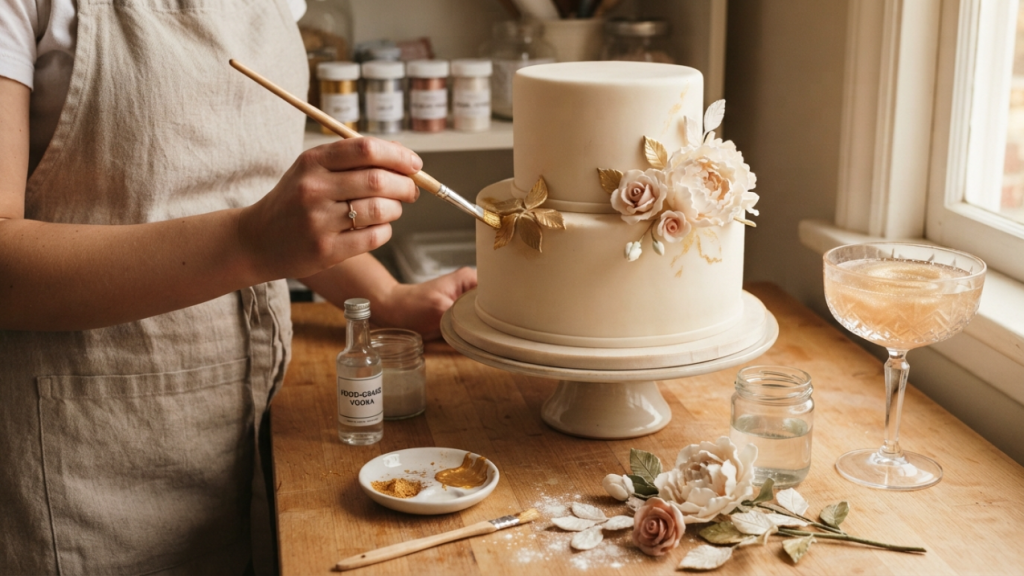
When it comes to cake decorating, cookies, chocolates, and other edible creations, appearance is just as important as flavor. A beautifully decorated dessert instantly captures attention and creates memorable experiences for birthdays, weddings, holidays, and other celebrations.
Among the many decorating tools available today, luster dust and food coloring are two of the most popular choices. While both enhance the visual appeal of baked goods, they serve very different purposes. Understanding when to use each can help you achieve professional-looking results while bringing your creative ideas to life.
Whether you’re a home baker experimenting with new techniques or a professional cake decorator creating custom masterpieces, knowing the strengths of edible luster dust, edible glitter, and traditional food coloring will help you choose the right product for every project.
In this guide, we’ll compare luster dust vs food coloring, explain their differences, discuss their best uses, and help you decide which one deserves a place in your decorating toolkit.
What Is Luster Dust?
Luster dust is a decorative edible powder designed to add shimmer, shine, metallic effects, or pearlescent finishes to edible creations. Unlike traditional coloring products that primarily change the color of food, luster dust enhances both color and texture by reflecting light beautifully.
Professional decorators use edible luster dust to decorate:
- Celebration cakes
- Wedding cakes
- Cupcakes
- Cookies
- Chocolates
- Cake pops
- Fondant decorations
- Macarons
- Sugar flowers
- Royal icing details
- Drinks and cocktails
Depending on the application, luster dust can be brushed on dry for a soft shimmer or mixed with food-grade alcohol or lemon extract to create edible metallic paint.
Its ability to transform ordinary desserts into elegant works of art has made it one of the most popular decorating supplies in modern baking.
What Is Food Coloring?
Food coloring is designed primarily to change the color of food, batter, frosting, icing, or dough. Unlike luster dust, it does not typically create sparkle or shine.
Food coloring is available in several forms:
- Liquid food coloring
- Gel food coloring
- Powder food coloring
- Paste coloring
- Oil-based coloring for chocolate
Its main purpose is to produce consistent, vibrant colors throughout food rather than simply decorating the surface.
Food coloring is commonly used in:
- Cake batter
- Buttercream frosting
- Royal icing
- Fondant
- Macaron shells
- Cookie dough
- Candy making
- Chocolate
The Biggest Difference Between Luster Dust and Food Coloring
Although both products improve the appearance of desserts, they work very differently.
| Feature | Luster Dust | Food Coloring |
| Adds Color | Surface enhancement | Full color change |
| Adds Shine | Yes | No |
| Metallic Finish | Yes | No |
| Glitter Effect | Yes (depending on type) | No |
| Mixed Into Batter | Usually No | Yes |
| Decorative Finish | Excellent | Limited |
| Professional Look | Outstanding | Basic to vibrant |
In simple terms:
- Food coloring changes color.
- Luster dust adds brilliance, shimmer, elegance, and luxury.
Many professional decorators actually use both together for the best results.
When Should You Use Food Coloring?
Food coloring is the better choice when you want to completely transform the color of an ingredient.
For example:
Coloring Cake Batter
If you’re making:
- Rainbow cakes
- Red velvet cake
- Blue birthday cakes
- Pink cupcakes
Food coloring provides an even color throughout the batter.
Coloring Buttercream
Want bright frosting?
Food coloring works perfectly for:
- Roses
- Borders
- Cartoon cakes
- Character cakes
- Ombre frosting
Coloring Fondant
Food coloring allows decorators to create:
- Skin tones
- Bright flowers
- Colored figures
- Decorative shapes
Coloring Royal Icing
Cookie decorators rely heavily on food coloring because it creates vibrant flood icing for intricate cookie designs.
When Should You Use Luster Dust?
This is where edible luster dust truly shines.
Instead of coloring an entire dessert, it highlights details and adds luxury.
Examples include:
Wedding Cakes
Elegant pearl finishes
Sugar Flowers
Soft shimmering petals
Gold Leaves
Metallic accents
Birthday Cakes
Sparkling decorations
Macarons
Luxurious finishes
Chocolates
Metallic shells
Cake Toppers
Eye-catching shine
Cookies
Elegant painted details
These decorative effects are difficult to achieve with food coloring alone.
Can You Use Both Together?
Absolutely.
In fact, this is exactly what many professional cake decorators do.
Example:
- Color the buttercream blue using food coloring.
- Apply silver edible luster dust.
- Add edible glitter highlights.
- Finish with metallic painted stars.
The result is far more elegant than using food coloring alone.
Dry Application vs Wet Application
One of the biggest advantages of luster dust is its versatility.
Dry Brushing
Using a soft brush, decorators lightly dust:
- Fondant
- Chocolate
- Sugar flowers
- Modeling chocolate
- Gum paste
This creates a subtle shimmer.
Wet Painting
Mix edible luster dust with:
- Clear alcohol
- Lemon extract
- Rejuvenator spirit
This creates edible paint perfect for:
- Gold lettering
- Metallic borders
- Cake details
- Monograms
- Floral accents
Food coloring cannot produce the same reflective metallic appearance.
Is Edible Glitter the Same as Luster Dust?
Not exactly.
Although they’re often mentioned together, they create different effects.
Edible glitter creates sparkling reflections with larger visible particles.
Luster dust creates:
- Satin shine
- Pearl finish
- Metallic glow
- Soft shimmer
Many decorators combine both for dramatic celebration cakes.
Which Is Easier for Beginners?
Both are beginner-friendly but serve different purposes.
Food coloring is easier when:
- Coloring batter
- Tinting frosting
- Making colorful cookies
Luster dust is easier when:
- Decorating finished desserts
- Adding elegant accents
- Creating luxury finishes
- Painting fondant
With a few brushes and basic techniques, even beginners can create impressive designs using edible luster dust.
Which Creates Better Photos?
In today’s world of Instagram, Pinterest, and TikTok baking videos, presentation matters.
Luster dust reflects light beautifully.
This means:
- Better photos
- More eye-catching cakes
- Professional appearance
- Luxury presentation
Food coloring gives vibrant colors but doesn’t create the same visual depth.
Is Luster Dust Safe to Eat?
When purchasing decorating products, it’s important to choose food-safe options that are clearly labeled as edible.
High-quality edible luster dust is specifically formulated for food decoration and can be used on cakes, cookies, chocolates, candies, and other treats according to the manufacturer’s instructions.
Always read product labels carefully and purchase from trusted suppliers that specialize in edible decorating products.
Tips for Choosing High-Quality Luster Dust
Not every decorating powder delivers the same performance.
Look for products that offer:
- Rich pigmentation
- Smooth application
- Consistent shimmer
- Food-safe ingredients
- Wide color selection
- Professional-quality finish
- Reliable performance
Premium products also blend smoothly when mixed for edible painting.
Why Professional Bakers Prefer Luster Dust
Professional decorators continually search for ways to make their cakes stand out.
Luster dust allows them to:
- Increase visual appeal
- Create luxury wedding cakes.
- Add premium finishes
- Impress clients
- Produce memorable celebration desserts.
Simple cakes instantly become elegant with subtle metallic accents or shimmering highlights.
Common Decorating Ideas Using Luster Dust
Need inspiration?
Here are some popular ways decorators use edible luster dust:
- Gold drip cakes
- Pearl wedding cakes
- Metallic cupcakes
- Painted cookies
- Chocolate bonbons
- Luxury macarons
- Holiday cookies
- Baby shower cakes
- Anniversary desserts
- Graduation cakes
- Fondant flowers
- Edible lace accents
- Royal icing decorations
- Cake toppers
- Celebration cookies
The possibilities are nearly endless.
Why Quality Matters
Decorating products directly affect the final appearance of your desserts.
Inferior powders may:
- Apply unevenly
- Lose their shine
- Produce dull colors
- Clump during painting
Using premium-quality luster dust, edible glitter, and edible decorating supplies helps ensure vibrant, professional-looking results every time.
For decorators seeking dependable quality, a trusted specialty supplier offers a wide range of colors and finishes suitable for everything from simple home baking projects to elaborate celebration cakes.
Frequently Asked Questions (FAQs)
1. What is the main difference between luster dust and food coloring?
Food coloring changes the color of batter, frosting, icing, or fondant, while luster dust adds shimmer, metallic effects, or a pearlescent finish to the surface of desserts.
2. Can I use luster dust and food coloring together?
Yes. Many professional decorators use food coloring for the base color and apply edible luster dust afterward to create a polished, luxurious finish.
3. Is edible luster dust safe for cakes and cookies?
Yes, as long as the product is clearly labeled as edible and used according to the manufacturer’s instructions.
4. Does edible glitter work the same as luster dust?
No. Edible glitter creates a sparkling effect with more noticeable reflective particles, while luster dust provides a smoother shimmer or metallic appearance.
5. Can beginners use luster dust?
Absolutely. Applying edible luster dust with a soft brush or mixing it with food-grade alcohol for painting is simple and suitable for beginners as well as professional decorators.
Conclusion
So, Luster Dust vs Food Coloring: Which Should You Choose?
The answer depends on your decorating goals.
Choose food coloring if you need to change the color of batter, frosting, icing, fondant, or dough.
Choose luster dust when you want to add shimmer, metallic effects, elegant highlights, or luxurious finishes that make desserts stand out.
For the most impressive results, many experienced decorators use both products together—food coloring to establish vibrant base colors and edible luster dust to add depth, brilliance, and a professional finish. Complementing these effects with edible glitter can create dazzling celebration cakes that truly capture attention.
If you’re looking for premium decorating supplies that deliver reliable performance, vibrant finishes, and beautiful shimmer, LusterDust.com offers an extensive selection of high-quality edible luster dust and edible glitter products designed to help decorators of every skill level create unforgettable edible masterpieces.
