

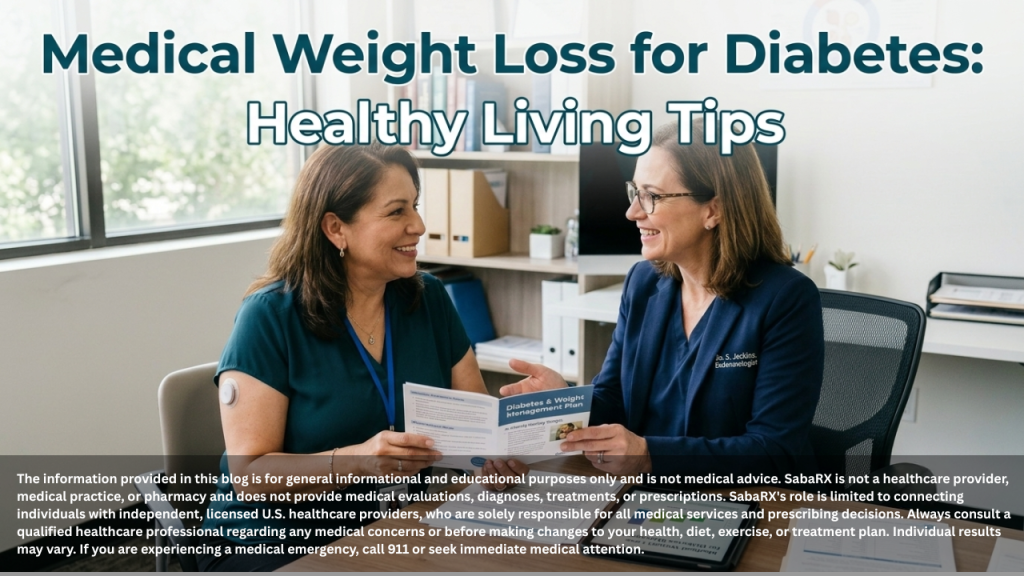
Managing your weight and blood sugar at the same time can feel overwhelming. But the good news is that even small, consistent changes can make a real difference. Whether you are newly diagnosed with type 2 diabetes or have been living with it for years, understanding the connection between weight and blood sugar is the first step toward better health.
Why Weight Matters with Diabetes
Excess body weight, especially around the belly, makes it harder for your body to use insulin properly. This is known as insulin resistance. When cells do not respond to insulin well, blood sugar levels rise. Losing even 5 to 10 percent of your body weight can improve insulin sensitivity, lower blood sugar levels, and reduce the need for medication in some cases.
This is why many healthcare providers now recommend a medically supervised weight loss plan as part of diabetes care. Working with a doctor or clinical team ensures your weight loss management approach is safe and tailored to your specific health needs.
Simple Tips for Healthy Living with Diabetes
Here are practical steps that support both weight management and blood sugar control:
- Eat balanced meals: Focus on whole grains, lean proteins, healthy fats, and plenty of non-starchy vegetables. Limit processed foods, sugary drinks, and refined carbohydrates.
- Watch portion sizes: Even healthy foods can raise blood sugar when eaten in large amounts. Using smaller plates and measuring portions helps keep calorie intake in check.
- Stay physically active: Aim for at least 30 minutes of moderate activity most days of the week. Walking, swimming, or cycling are all excellent options.
- Monitor your blood sugar regularly: Tracking your numbers helps you understand how food, activity, and stress affect your levels.
- Get enough sleep: Poor sleep raises cortisol and hunger hormones, making weight loss management harder and blood sugar less stable.
- Manage stress: Chronic stress raises blood sugar. Simple practices like deep breathing, yoga, or journaling can help.
- Stay consistent, not perfect: Small daily habits matter more than drastic short-term changes.
The Role of a Weight Management Program
A structured weight management program can give you the tools, support, and accountability you need to succeed long-term. These programs often combine nutrition guidance, behavioral support, physical activity coaching, and sometimes medication when appropriate.
Medical weight loss programs go a step further by involving licensed healthcare providers who monitor your progress and adjust your plan based on your health data. If you have diabetes, high blood pressure, or other chronic conditions, a medically supervised weight loss approach is often the safest and most effective path forward.
Unlike fad diets, weight loss management through a clinical team is evidence-based. It considers your full medical history and helps you build habits you can maintain for life.
When to Talk to a Doctor
If you have diabetes and are struggling with your weight, speak with your healthcare provider before starting any new diet or exercise program. Ask about medically supervised weight loss options in your area. Getting professional guidance early can prevent complications and help you see results faster.
Small steps today lead to lasting change. Your journey to better health starts with one good decision at a time.
Disclaimer: The information provided in this blog is for general informational and educational purposes only and is not medical advice. SabaRX is not a healthcare provider, medical practice, or pharmacy and does not provide medical evaluations, diagnoses, treatments, or prescriptions. SabaRX’s role is limited to connecting individuals with independent, licensed U.S. healthcare providers, who are solely responsible for all medical services and prescribing decisions. Always consult a qualified healthcare professional regarding any medical concerns or before making changes to your health, diet, exercise, or treatment plan. Individual results may vary. If you are experiencing a medical emergency, call 911 or seek immediate medical attention.
