

External walls are continuously exposed to harsh environmental conditions such as rain, heat, humidity, dust, and pollution, which gradually degrade surface quality and overall structural appearance. These external factors lead to surface weakening, development of fine cracks, damp patches, and fading of exterior finishes, ultimately reducing the durability and visual appeal of buildings.
In modern construction practices, protective surface treatments have become essential to ensure the long-term strength and stability of walls. One of the most effective solutions used today is external wall putty, which forms a strong protective layer over the surface. It enhances adhesion, improves smoothness, and increases resistance against weather damage, while also contributing to a refined and long-lasting exterior finish for buildings.
Understanding External Wall Protection Needs
Buildings face continuous weathering due to seasonal changes. High temperatures cause expansion in wall surfaces, while cooling leads to contraction, creating micro-cracks. Rainwater seeps into these cracks, weakening the structure further. Dust and pollutants also settle on rough surfaces, making walls look dull and aged.
To combat these challenges, builders rely on advanced surface preparation materials. Among them, exterior wall putty is widely used for strengthening surfaces before painting. It forms a smooth, protective layer that shields walls from environmental damage and improves paint adhesion.
What Makes Exterior Wall Putty Essential
The main purpose of wall finishing materials is not only to improve appearance but also to extend structural life. Exterior wall putty is specially formulated to withstand outdoor conditions. Unlike regular interior materials, it contains weather-resistant compounds that help protect surfaces from moisture penetration and thermal stress.
When applied correctly, it fills surface imperfections, reduces porosity, and creates a uniform base for paint. This ensures that exterior walls remain smooth and resistant to cracking for a longer period.
Key Weather Challenges Faced by Exterior Walls
Before understanding how protection works, it is important to identify the major environmental challenges:
1. Rain and Moisture Exposure
Water is one of the most damaging elements for construction surfaces. Continuous exposure leads to seepage, damp patches, and structural weakening.
2. Heat and UV Radiation
High temperatures cause expansion and contraction cycles in walls. UV rays also fade exterior paint over time.
3. Dust and Pollution
Airborne particles settle on rough surfaces, reducing aesthetic appeal and causing discoloration.
4. Seasonal Temperature Fluctuations
Rapid changes between hot and cold weather cause stress on wall surfaces, leading to cracks.
A properly applied protective layer significantly reduces these risks.
How Exterior Wall Putty Works as a Protective Layer
The effectiveness of exterior wall putty lies in its composition and application. It is typically made from cement-based materials combined with special polymers that improve bonding strength and flexibility.
Once applied, it forms a thin but strong protective layer over the wall surface. This layer:
- Fills fine cracks and surface irregularities
- Reduces water absorption
- Improves paint adhesion
- Enhances surface strength
- Provides resistance against weather changes
This makes it an essential step in exterior wall preparation.
Importance of Surface Preparation Before Application
For any protective coating to perform effectively, proper surface preparation is critical. Walls must be cleaned thoroughly to remove dust, grease, and loose particles. Any existing cracks should be repaired before application.
A smooth base ensures that exterior wall putty bonds properly with the surface, enhancing durability and performance. Poor preparation can reduce effectiveness and lead to early damage.
Application Process and Its Impact on Durability
The application process plays a major role in determining final results. Typically, multiple thin layers are applied instead of a single thick coat. Each layer is allowed to dry before the next application.
Proper curing helps strengthen the bond and improves resistance against environmental stress. Skilled application ensures even coverage and reduces the risk of peeling or flaking over time.
Role of Wall Finishing Materials in Long-Term Protection
Modern construction heavily depends on advanced finishing materials for long-term protection. A reliable wall putty manufacturer develops formulations that meet performance requirements such as weather resistance, smoothness, and durability.
These manufacturers focus on improving product quality to ensure that exterior surfaces remain protected for years. High-quality formulations also reduce maintenance costs and repainting frequency.
Benefits of Using Exterior Wall Putty in Construction
The use of protective wall coating offers several advantages:
Improved Durability
It strengthens wall surfaces and prevents early wear and tear caused by weather exposure.
Crack Resistance
Flexible composition helps reduce visible cracking caused by temperature changes.
Moisture Protection
It minimizes water absorption, preventing dampness and structural weakening.
Better Paint Finish
It creates a smooth base that enhances paint appearance and longevity.
Cost Efficiency
It reduces long-term maintenance and repair expenses by improving wall life.
Common Mistakes During Application
Even high-quality materials may fail if not applied correctly. Some common mistakes include:
- Applying on dirty or damp surfaces
- Skipping primer or base preparation
- Using uneven or overly thick layers
- Ignoring drying time between coats
- Poor quality mixing or preparation
Avoiding these mistakes ensures better performance and longer-lasting protection.
Maintenance of Exterior Wall Surfaces
Once applied, periodic maintenance is necessary to ensure continued performance. Regular inspection helps identify early signs of damage, such as cracks or moisture patches. Timely repairs prevent further deterioration.
Cleaning exterior surfaces also helps maintain appearance and removes dust buildup. Proper maintenance ensures that protective layers continue to perform effectively over time.
Conclusion
Protecting exterior walls from weather damage is essential for long-term durability and appearance. Using quality materials, proper surface preparation, and correct application methods ensures stronger resistance against rain, heat, and moisture. A well-finished surface using external wall putty reduces cracks, improves paint life, and lowers maintenance needs. Consistent upkeep and the right protective coating help maintain structural strength and keep buildings looking clean, stable, and visually appealing for years.
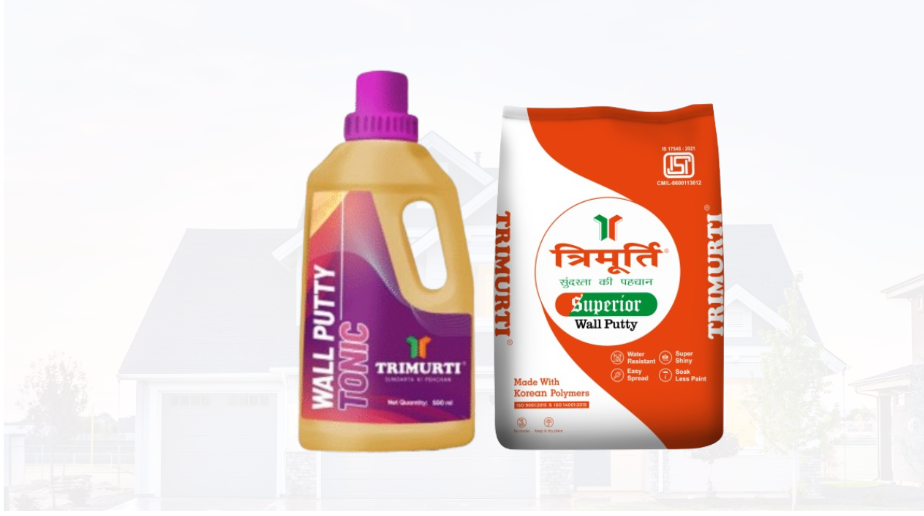
For superior construction quality and lasting building protection, Trimurti offers advanced wall care solutions designed for superior exterior protection and long-lasting performance. Their product range includes premium wall putty, Trimurti waterproof putty, waterproof coatings, and specialized finishing materials that enhance surface strength and durability. With a focus on quality, innovation, and consistent performance, Trimurti supports builders, contractors, and homeowners in achieving weather-resistant and smooth wall finishes. Their expertise ensures reliable solutions for modern construction needs and long-term structural protection.
