

Supply chain management is considered the most important aspect of trade. Global trade has made it difficult for supply chains to operate smoothly. This is because technological changes and the inherent risks in international markets require supply chain companies to continue innovating so that volatility can be handled efficiently.
The use of technologies is not new to supply chain management. Earlier, supply chains were handled manually, but as international markets opened to all types of businesses, technologies were adopted to enhance agility and resilience. Today, supply chains face volatility and high customer expectations, and are considered highly complex. Moreover, in this digital era, technological changes are so rapid that even logistics companies are unable to keep up.
To digitize and automate your logistics in this era of digital innovation and revolution means much more than using different technologies for various supply chain functions; it involves automating all supply chain operations to ensure trade continues without disruptions.
The various operations to be digitized and automated in the supply chain
The supply chain management firms handle a wide range of operations for other businesses. For supply chains to function optimally, it is essential to digitize and automate your logistics operations that include:
- Supplier selection
- Procurement of goods
- Creating purchase orders
- Inventory management
- Manufacturing
- Order fulfilment
- Shipping
- Demand forecasting
- Processing returns
- Reverse logistics
Trends to adopt to digitize and automate your logistics
As technology evolves, the trends that supply chain management firms need to adopt also change. In this age of automation and digitization, the following trends should be adopted by supply chain management firms to digitize and automate their logistics:
Artificial intelligence
Artificial intelligence has paved the way for more efficient logistics. With the help of artificial intelligence, supply chain management firms can make better decisions. With the help of artificial intelligence, supply chains can monitor current trade conditions, such as volatile routes or labor shortages. Based on this data, decisions regarding the procurement, shipping, routing, and delivery of goods can be made more efficiently. An artificial intelligence-based supply chain operates more optimally than other supply chains and can generate more revenue, reduce logistics disruptions, improve productivity, and offer several other benefits.
Satellite IoT
Supply chains of today should adopt satellite IoT, enabling them to track and monitor shipments via satellite-based tracking. This enhances the visibility of the shipment in the supply chain and also provides for risk-based inventory control.
Robotics
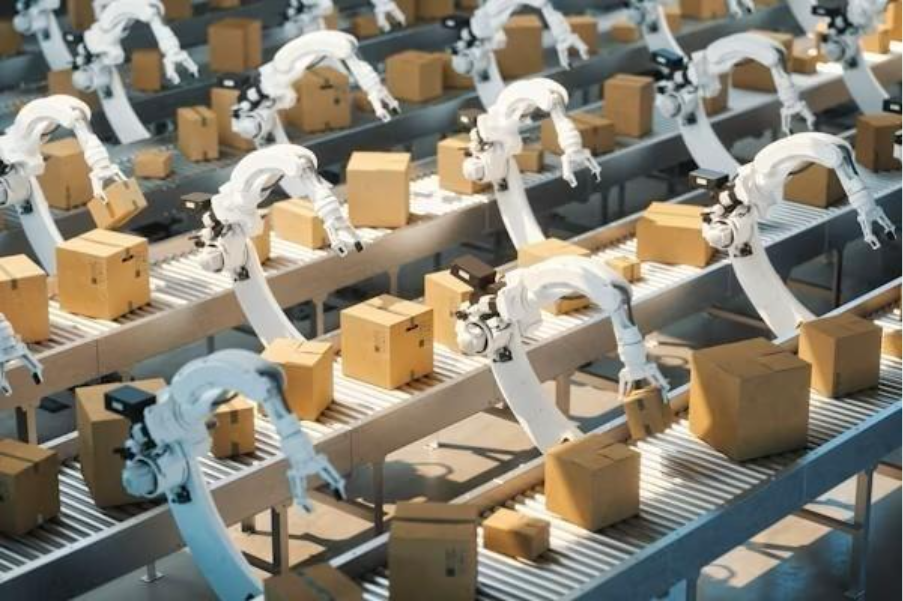
Today, supply chains are often hit hard by labor shortages. This is where robotics and robots come in. With the adoption of this trend, most supply chain operations can be performed with the help of robots. This would not only help overcome labor problems but also speed up the entire supply chain, improving its performance and efficiency.
Zero-emission freight
Logistics regulations these days require supply chains to be sustainable and environmentally sensitive. This is why supply chains need to adopt the trend toward zero-emission freight. The trend requires supply chains to use electric vehicles or vehicles capable of running on alternative fuels.
To sum it up
Supply chains enable goods to be traded globally without bottlenecks. However, as market demands, international trade trends, and technology evolve, supply chains need to adopt digitization rapidly to remain competitive. The integration of artificial intelligence, satellite IoT, robotics, and zero-emission freight represents more than just technological upgrades—it’s a fundamental transformation of how logistics operates. Companies that digitize and automate their logistics now will be better positioned to handle future challenges, meet customer expectations, reduce costs, and operate sustainably. In an increasingly complex global marketplace, digital automation isn’t optional—it’s essential for survival and success.
